
AI assisted editorial. Published following automated quality checks, not independent fact verification. Confirm factual, safety and legal matters with appropriate professionals.

The short answer
Selecting suitable travel snacks requires balancing shelf stability, temperature resilience, cabin cleanliness, and dietary preferences. This guide provides a structured framework for choosing ready to eat road provisions, including how to assess commercial offerings such as MORiSH Snacks · UK.
Key takeaways
- Prioritise snacks that remain stable in varying vehicle temperatures without melting, spoiling, or creating excessive crumbs.
- Evaluate single serving convenience against packaging waste and vehicle storage volume when stocking up for long drives.
- Verify product ingredient panels, allergen disclosures, and best before dates directly with producers before placing bulk expedition orders.
- Balance quick grab driving snacks with wholesome, whole food options to maintain energy during long spells behind the wheel.
The Role of Convenient Snacks on Extended Journeys
Long distance touring inevitably places unique demands on everyday eating habits. When navigating unfamiliar routes, managing adverse weather, or driving long stints between destinations, taking out a full camp stove for a midday bite is rarely practical. Readily accessible snacks bridge the gap between main meals, keeping driver concentration steady and avoiding unnecessary delays at roadside service stations.
However, keeping food in a vehicle introduces specific challenges that do not exist in a domestic kitchen. In cab temperatures can swing considerably between hot afternoons and brisk nights. Road vibrations can crush fragile baked goods into useless crumbs, and limited interior rubbish capacity means excessive packaging quickly becomes an annoyance. Selecting food items thoughtfully helps prevent pantry mess and ensures you always have dependable nourishment to hand.
A practical snack strategy considers how food behaves inside a moving rig. Items kept in the cab must be easily opened without requiring cutlery, must not produce sticky residues on the steering wheel, and should provide sustained energy rather than a brief sugar peak followed by sluggishness.
Practical Snack Selection: A Comparative Framework
When provisioning a vehicle pantry, it helps to categorise options according to logistical criteria: thermal tolerance, ease of handling, nutritional profile, and shelf life.
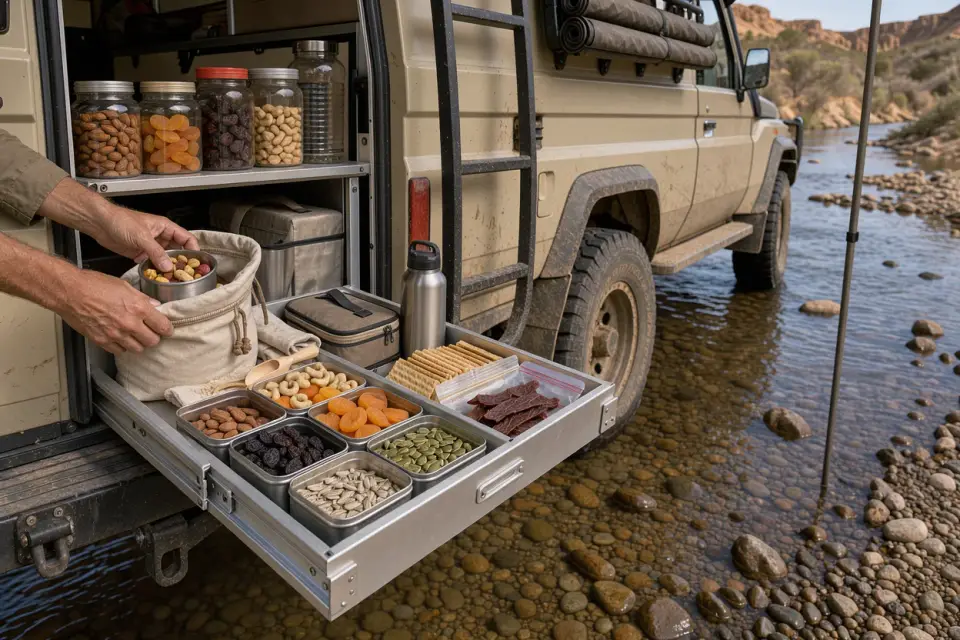
Thermal tolerance is the most crucial consideration for vehicle storage. Items containing delicate chocolate coatings or soft dairy fillings often spoil or melt if left in a parked rig under direct sunlight. In contrast, roasted nuts, dried fruits, savoury seeds, crackers, and jerky generally tolerate warmth without losing their texture or structural integrity.
Ease of handling while driving dictates where items are stored. Finger foods that leave no powdery dust or oily films are ideal for the front console, whereas sauced or crumb heavy treats are best relegated to picnic stops. Resealable pouches provide an obvious advantage here, protecting contents from road dust and accidental spills.
Nutritional balance also matters during extended road travel. A steady mix of slow release carbohydrates, healthy fats, and protein supports alertness better than pure confectionery. Combining savoury, salty, and subtly sweet items also prevents palate fatigue over multi week trips.
Finally, consider packaging efficiency. Bulky rigid containers waste precious locker volume, while flimsy bags risk bursting under gear shifts. Vacuum sealed or durable foil lined pouches usually strike the best balance between compact storage and product protection.
Partner Consideration: MORiSH Snacks · UK
For travellers seeking premium, ready to eat treats, MORiSH Snacks represents a specialised option within the savoury and sweet confectionery sector. Presented here through our partner listing for MORiSH Snacks · UK by MORiSH Snacks, the brand focuses on indulgent, highly moreish roasted nuts and confectionery selections designed for casual snacking.
According to partner provided details, MORiSH Snacks maintains a direct to consumer UK platform featuring an introductory newsletter programme for domestic customers. While marketing materials highlight the craveable flavour profiles of their nut ranges, buyers should assess how these products fit their practical travel routine.
Who might MORiSH Snacks suit? Travellers who appreciate quality glazed nuts, savoury roasted mixes, or sweet trail treats for evening camp relaxation or scenic viewpoint stops will find them appealing. Nuts offer high caloric density in a compact volume, making them efficient space savers in overland storage drawers.
What should you check before purchasing? Because MORiSH Snacks primarily centres around nut based recipes, cross contamination risks and tree nut allergies must be verified if travelling in a mixed group. Furthermore, sweet glazed coatings can soften in extreme interior heat, so storing them in an insulated cool box or shaded, lower vehicle compartment is sensible during warm summer touring.
Questions to Ask Before Ordering Road Food
Before investing in specialised snacks or bulk food parcels for an upcoming road trip, take time to clarify product attributes directly with the manufacturer or retailer.
First, ask about ambient shelf life: What is the confirmed minimum durability date on current batches? You want supplies that outlast the planned duration of your expedition without requiring refrigeration.
Second, enquire about heat resilience: Are any coatings, glazes, or ingredients susceptible to melting or clumping if vehicle temperatures reach 25 to 30 degrees Celsius during transit?
Third, check packaging integrity: Are packages resealable after opening, or will you need to supply your own airtight clips and containers once the seal is broken on the trail?
Fourth, request clear allergen and dietary documentation: Does the production facility handle common allergens such as gluten, peanuts, sesame, or dairy, especially if travel companions have specific dietary restrictions?
Hypothetical Decision Example: Provisioning a Highlands Tour
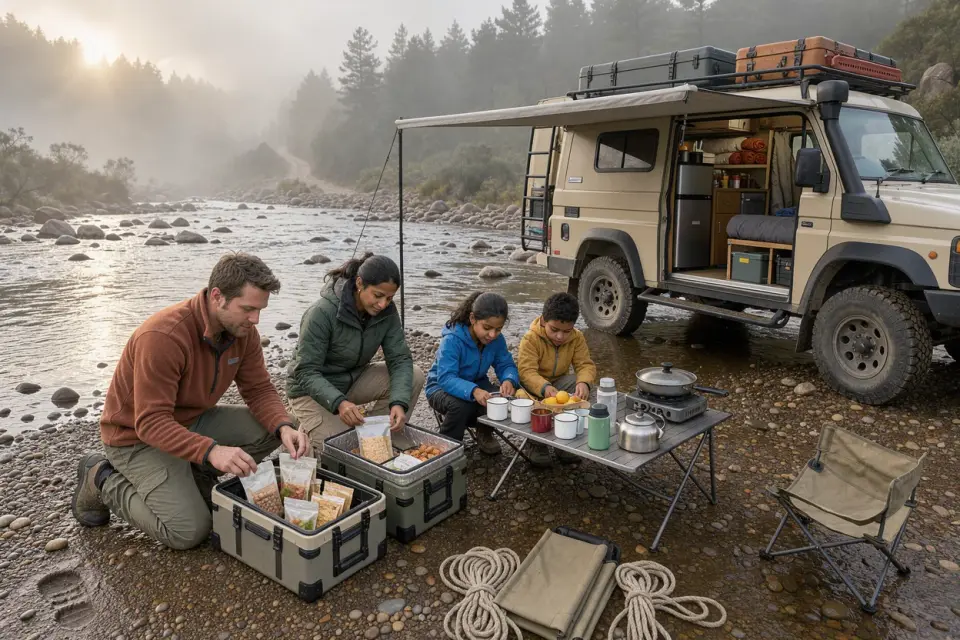
Consider this clearly labelled hypothetical scenario: Alex and Sam are planning a twelve day self contained driving tour through northern Scotland in an estate car fitted with basic camp gear. Their interior space is modest, and their 12V fridge is reserved strictly for fresh dinner ingredients and milk.
To manage their snack provisions, they establish three distinct categories. Category A consists of front seat driving snacks: plain roasted almonds and durable seed crackers in resealable pouches, chosen because they do not melt and create minimal mess. Category B contains fresh fruit bought every two to three days from local farm shops to maintain nutritional variety.
For Category C, they want high reward evening treats to enjoy around the campfire after setting up camp. They consider a selection from MORiSH Snacks · UK, such as glazed and spiced nut varieties. Alex checks the packaging to ensure the bags are resealable and notes that the dense, energy rich nuts take up very little room in their dry food storage box.
By clearly separating immediate driving provisions from evening treats, Alex and Sam avoid eating through their luxury provisions prematurely while keeping the driving cabin clean and their overall food budget in check.
Common questions
How do I prevent snacks from spoiling without a travel fridge?
Focus on naturally dry, low moisture goods such as roasted nuts, seeds, dried fruits, hard savoury biscuits, and vacuum sealed jerky. Keep food bins positioned low in the vehicle out of direct sunlight, where cabin temperatures remain cooler.
Are gourmet nut mixes suitable for summer vehicle travel?
Dry roasted and savoury spiced nuts handle summer cabin temperatures exceptionally well. However, products with heavy sugar glazes or chocolate inclusions can become sticky in hot vehicles and should be stored in shaded or insulated storage areas.
What is the best way to manage snack rubbish on remote trails?
Choose products packed in resealable, durable pouches that compress flat when empty. Keep a dedicated, sealable dry bag or heavy duty bin liner within reach to contain empty wrappers and food odours until reaching municipal waste points.
How should I accommodate dietary needs when provisioning for a group?
Review manufacturer ingredient lists carefully for shared processing lines, particularly regarding nuts, gluten, and dairy. Store allergen free items in separate, clearly marked dry bags to prevent cross contamination inside vehicle pantry drawers.
Partner discounts in this guide
Overland Finds may earn a commission from qualifying UK purchases made through this link, at no additional cost to you. This does not imply independent product testing or endorsement. Confirm current terms and availability with the partner.

MORiSH Snacks Black Friday code · UK
Black Friday has arrived at MORiSH Snacks: save 25% on your favourite treats with the code BFRIDAY25 at checkout, until 30 November 2026.
- Valid in
- UK
- Discount
- UK Black Friday offer · 25% off with code
- Code
- BFRIDAY25
- Expires
- 30 November 2026