
AI assisted editorial. Published following automated quality checks, not independent fact verification. Confirm factual, safety and legal matters with appropriate professionals.
The short answer
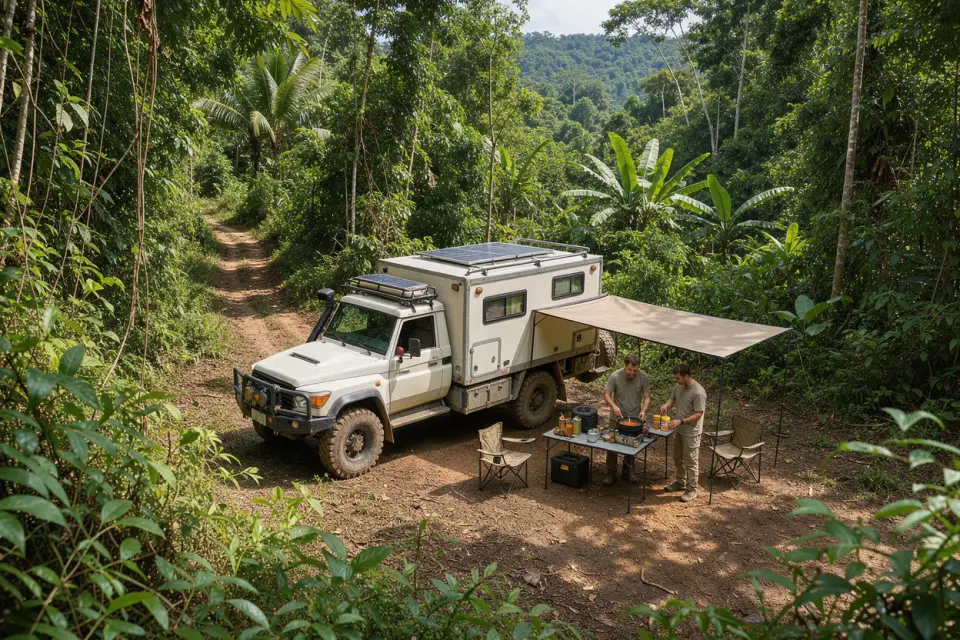
Vehicle based travel requires compact, resilient food supplies that keep camp cooking enjoyable without consuming scarce storage space. This guide examines how pre blended seasonings fit into an overland pantry, using Costack Spices · UK from partner Costack Spices as a practical example. We explore tin packaging, flavour versatility, pantry organisation, and key considerations before buying.
Key takeaways
- Pre mixed spice blends reduce the number of individual pantry containers needed inside limited overland drawer systems.
- Tin containers protect dry seasonings from light, moisture, and road vibration better than standard glass jars or thin paper bags.
- Checking ingredient lists for sodium balance and filler content ensures blends work across diverse camp meals, from breakfast skillets to campfire stews.
- A well planned seasoning kit allows vehicle travellers to stretch basic pantry rations into varied, satisfying dinners on extended journeys.
The Role of Flavour in Overland Camp Cooking
Preparing meals on the trail presents distinct logistical hurdles that differ substantially from home cooking. When travelling in a 4x4, campervan, or overland rig, storage volume is strictly limited, refrigeration space is finite, and fresh ingredients spoil rapidly during multi day backcountry stretches. Consequently, vehicle travellers routinely lean on shelf stable foundation foods such as rice, pulses, tinned fish, and root vegetables to maintain sustained travel routines.
Relying on dry rations can quickly lead to menu fatigue if cooking remains uninspired. This is where dedicated camp seasonings serve an essential overland function. Rather than loading dozens of single ingredient herbs and spices into rattling storage boxes, curated blends allow camp cooks to completely transform simple staples with minimal effort after a demanding driving shift. Quality seasonings deliver high culinary impact relative to their pack size, making them one of the most space efficient additions to any overland drawer kit.
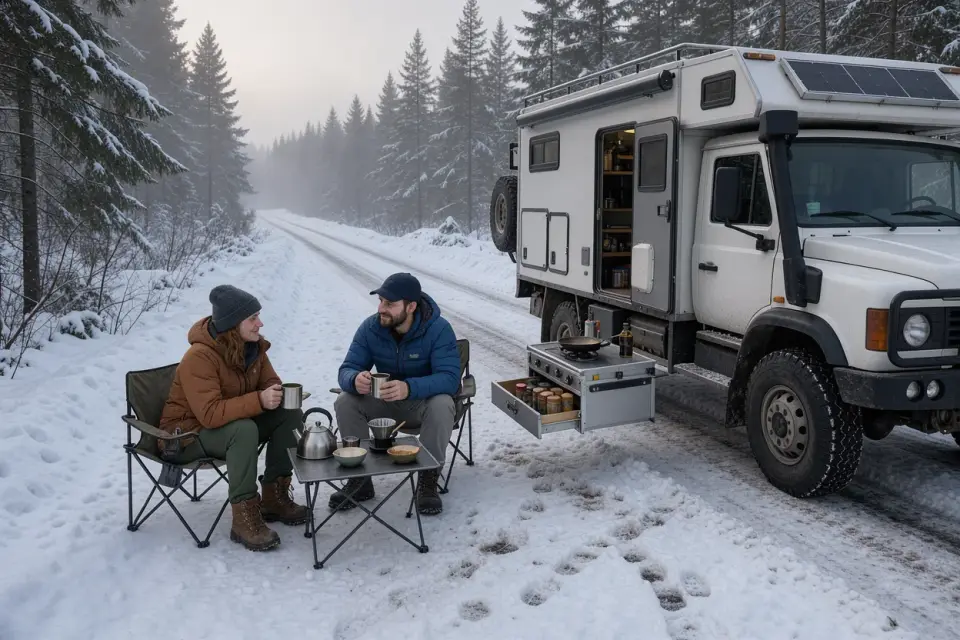
Furthermore, vehicle journeys frequently involve unpredictable weather, variable stove setups, and varying camp routines. When high winds or pouring rain push evening meal prep towards quick, single pot dishes or rapid skillet fries, having an all round seasoning mix eliminates the hassle of measuring separate components in challenging conditions.
Evaluating Packaging Durability for Rough Tracks
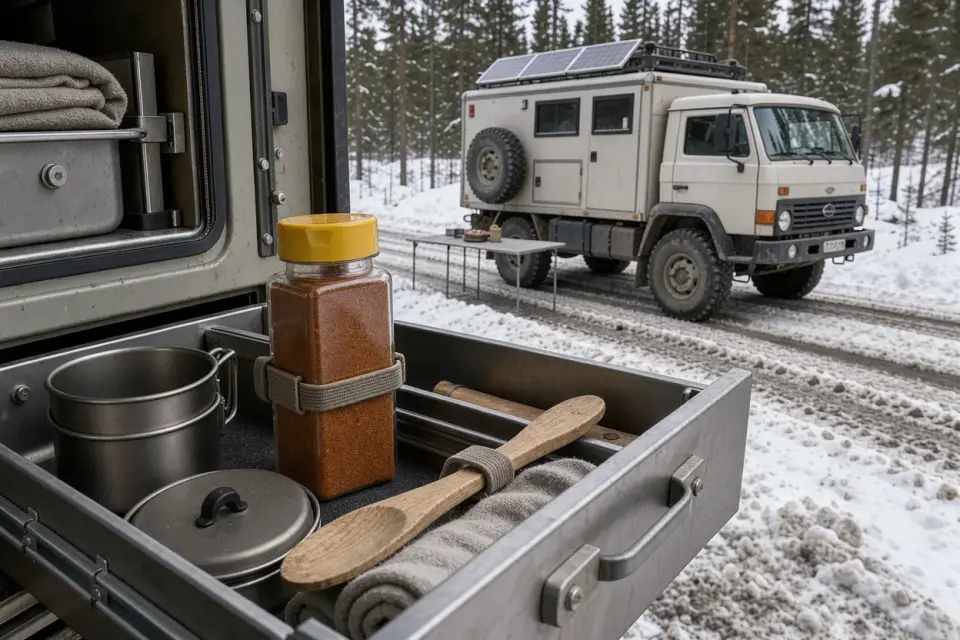
In overland travel, packaging durability is just as crucial as flavour quality. The continuous vibrations, washboard tracks, and abrupt movements experienced during off tarmac driving quickly compromise inadequate kitchen containers. Standard domestic glass spice jars pose a significant breakage risk when stored in metal drawers or poly storage bins, while flimsy resealable plastic pouches are easily punctured by corner brackets or kitchen utensils.
Partner brand Costack Spices discounts Costack Spices · UK, which the company describes as bold spice blends and seasonings for everyday cooking and BBQ packaged in small tins designed to pack easily for camp cooking. Metal tins offer inherent advantages for overland storage setups. Unlike glass, rigid tins do not shatter under impact, and they block ambient light, which can degrade sensitive ground spices over prolonged exposure in hot vehicle interiors.
When assessing any overland spice container, consider seal integrity, lid retention, and moisture resistance. Humidity shifts between damp mountain camps and arid trails can turn loose powders into solid blocks if lids lack tight closures. Ensure your chosen pantry tins fit securely into your kitchen caddy or drawer inserts to prevent noisy rattling across rough terrain.
Practical Comparison Framework for Camp Pantry Seasonings
Selecting the right spice selection requires weighing versatility, shelf life, and packaging format against your cooking habits. To assess whether pre made blends like Costack Spices · UK meet your requirements, use the following operational framework:
Single Use Rubs versus Multipurpose Blends: Specialised barbecue rubs often contain high sugar contents that caramelise over low coals but burn readily in a high heat camp skillet. For overland travel, prioritise multipurpose seasoning blends that work across scrambled eggs, vegetable sautés, stews, and grilled meats, reducing the total tin count you need to haul.
Salt Forward Blends versus Spice Forward Blends: Many commercial seasoning products use sodium chloride as their primary ingredient. While salt is a vital preservative and flavour carrier, overly salty blends restrict how generously you can season a dish without over salting it. Checking ingredient lists helps ensure you are buying complex spice profiles rather than overpriced table salt.
Bulk Containers versus Compact Tins: Bulk pouches may seem economical for extended expeditions, but they take up valuable pantry volume and invite spoilage once opened in humid climates. Compact tins, such as those described by Costack Spices, provide portion appropriate quantities that stay fresh across typical trip cycles without monopolising precious storage space.
Hypothetical Decision Example: Outfitting a Two Week Expedition Rig
To illustrate how to balance pantry choices on the road, consider a hypothetical travelling couple planning a two week remote trek across northern Scotland in a compact 4x4. Their setup features a modest slide out camp kitchen with only one shallow drawer reserved for pantry dry goods, cooking oil, and coffee.
Scenario A involves carrying eight individual domestic spice jars purchased from a high street supermarket. This approach discounts precise customisation for complex recipes but consumes half the available drawer height, creates constant noise on corrugated forest tracks, and risks glass breakage against cast iron cookware.
Scenario B utilises two compact tins of versatile pre mixed seasoning, such as bold savoury and mild herbaceous profiles from Costack Spices · UK, alongside a small grinder of whole peppercorns and flaky sea salt. The compact footprint fits neatly beside their gas burner, leaves space for dry grains, eliminates glass hazards, and reduces dinner preparation time to a single seasoning pinch after long hours behind the wheel.
For travellers constrained by weight, sound management, and limited cooking real estate, consolidating around resilient, multipurpose tins in Scenario B represents the more practical overlanding solution.
Questions to Ask Sellers Before Purchasing Camp Blends
Before investing in specialty seasonings for life on the road, consider asking retailers or producers practical questions about product handling and ingredients:
1. What is the container material and closure mechanism? Confirm whether tins feature tight friction lids, screw tops, or inner freshness seals to prevent spills during severe vehicle movement.
2. What is the sugar content of the rub? If you cook primarily on small camping gas stoves rather than open embers, lower sugar content prevents scorching on thin titanium or aluminium pans.
3. Does the blend contain artificial anti caking agents or common allergens? Clear labelling ensures safe sharing with campmates and confirms whether powders will resist clumping in damp environments.
4. What is the suggested shelf life once unsealed? Knowing how long a blend retains potency allows you to plan your pantry stock across your overland calendar without unnecessary food waste.
Common questions
How should I store spice tins inside an overland kitchen drawer?
Store metal spice tins upright in dedicated foam cutouts, fabric roll pouches, or partitioned utility caddies. Securing tins snugly prevents loud metallic rattling on rough tracks and protects labels from abrading against other pantry hardware.
Can I use barbecue spice rubs for indoor van or camper cooking?
Yes, but be cautious with high sugar barbecue rubs on small gas camp burners. Thin camp pans concentrate heat quickly, which can burn sugars and create heavy smoke inside an enclosed camper van or awning space.
How do environmental changes on the road affect dry spices?
Rapid altitude gains and swings between damp nights and scorching days can drive humidity into unsealed tins, causing clumping. Keeping tins tightly sealed and away from heat sources preserves their aroma and prevents moisture ingress.
Are pre mixed blends better than carrying individual spices on expeditions?
For most overlanders, pre mixed blends are significantly better. They save substantial pack volume, eliminate the need for measuring spoons at camp, and reduce the overall weight and rattle profile of your mobile kitchen setup.
Partner discounts in this guide
Overland Finds may earn a commission from qualifying purchases made by customers in the UK through this link, at no additional cost to you. This does not imply independent product testing or endorsement. Confirm current terms and availability with the partner.

Costack Spices · UK
Bold spice blends and seasonings for everyday cooking and BBQ from Costack Spices. Small tins that pack easily for camp cooking.
- Valid in
- UK
- Discount
- UK offer · Shop spice blends and seasonings