
AI assisted editorial. Published following automated quality checks, not independent fact verification. Confirm factual, safety and legal matters with appropriate professionals.
The short answer
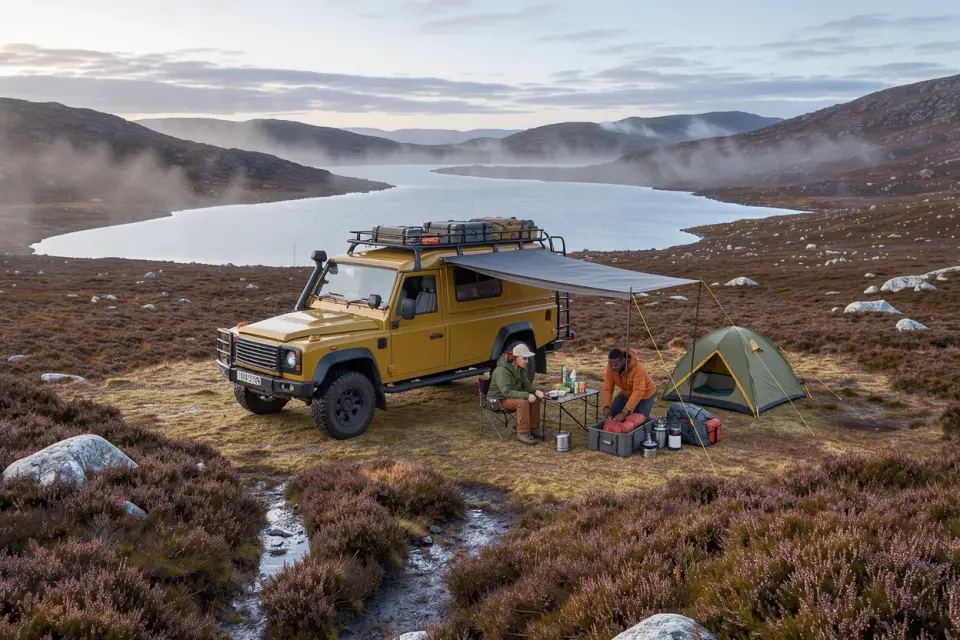
Decathlon UK discounts an accessible entry point for camping and outdoor equipment, covering shelters, sleeping systems, and camp furniture. This guide outlines how to assess specifications, weigh packed dimensions against durability, and determine whether high street outdoor ranges align with your vehicle setup, route demands, and seasonal weather expectations.
Key takeaways
- Assess gear against your specific travel profile, climate needs, and boot capacity rather than price alone.
- Examine fabric denier, pole materials, and waterproof ratings to understand operational limits in poor weather.
- Apply our structured comparison framework to balance initial purchase cost with long term field repairability.
- Verify component availability, return policies, and spare part accessibility before embarking on extended trips.
Understanding the Decathlon UK Outdoor Proposition
Sourcing reliable kit for camping and vehicle travel often involves balancing financial outlay with functional dependability. Decathlon UK represents one of the largest outdoor retailers, stocking an extensive selection of self branded kit spanning tents, sleeping bags, camp kitchen gear, and hiking essentials. According to partner provided descriptions, the brand aims to make outdoor pursuits accessible across diverse activities including trekking and cycling.
For vehicle supported campers and overlanders, this widespread retail presence provides a convenient route to equip a trip. However, commercial availability does not automatically mean every product suits rugged overland travel. Buyers must separate mass market leisure products from equipment capable of enduring sustained trail vibrations, variable weather, and repeated daily assembly.
Decathlon's tiered structure typically groups products from entry level convenience items up to more robust trekking equipment. When considering these ranges, your first step is identifying whether your style of travel prioritises compact stowage, all weather stability, or straightforward camp comfort.
Evaluating Construction, Materials, and Pack Volume
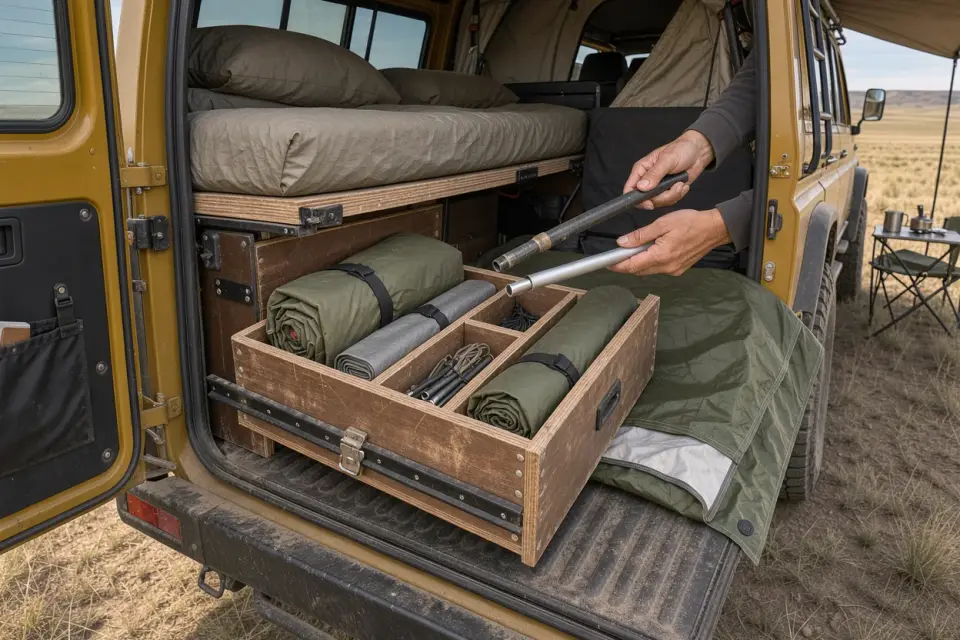
Vehicle travel imposes unique stresses on camping equipment. Items stored in boot drawers or roof systems experience ongoing friction, dust exposure, and temperature fluctuations. When evaluating tents and shelters, look closely at structural framing. Fibreglass poles are cost effective but heavier and more prone to splitting under wind shear compared with quality aluminium alloys.
Fabric performance is equally critical. Scrutinise outer flysheets for polyurethane (PU) coatings and tape sealed seams. Hydrostatic head measurements provide a baseline indicator of water resistance, but fabric tear strength and UV resilience dictate how long the shelter lasts across repeated sunny spells and sudden downpours.
Pack volume and deployment speed represent another major trade off. Pop up and inflatable shelters allow rapid assembly on roadside stopovers, yet their packed forms can be awkwardly shaped, consuming valuable interior vehicle space. Conversely, traditional poled compact tents fold down tightly into uniform carry bags but demand more assembly time after long driving days.
Practical Comparison Framework for Camp Gear
To select equipment methodically, use a four pillar assessment framework comparing Entry Leisure options with Dedicated Touring kit.
Pillar 1: Structural Durability. Entry Leisure gear typically relies on composite poles, lower denier polyesters, and standard plastic coil zips. Dedicated Touring gear prioritises hardened aluminium hardware, ripstop weaves, and oversized heavy duty zips designed to withstand dust and grit.
Pillar 2: Packability and Weight. Leisure kit often prioritises interior standing room at the expense of packed bulk, resulting in large carry sacks. Touring designs focus on pack dimensions, modular storage bags, and sensible weight distribution within your rig.
Pillar 3: Environmental Resilience. Leisure kit handles sheltered summer conditions and mild precipitation. Touring gear incorporates higher hydrostatic head ratings, robust guyline anchor points, and reinforced seams for exposed pitch locations.
Pillar 4: Serviceability. Consider whether the manufacturer sells individual replacement poles, zip sliders, and patch kits, or whether a single failure renders the entire unit unusable.
Questions to Ask Before You Purchase
Before finalising any gear purchase in store or online, ask specific questions to clarify realistic performance boundaries.
1. Are replacement structural parts readily available off the shelf, such as specific pole sections, air beams, or valve caps?
2. What is the packed dimensions of the item, and does its shape fit neatly into standard storage boxes or vehicle cargo spaces?
3. How does the shelter or sleeping system perform in sustained high winds and driving rain, beyond standard testing claims?
4. Does the internal living space allow adequate ventilation to prevent condensation during cold overnight halts in damp climates?
5. What warranty coverage applies to zip failures, seam delamination, and structural snapping under normal outdoor use?
Hypothetical Decision Example: Choosing a Camp Setup
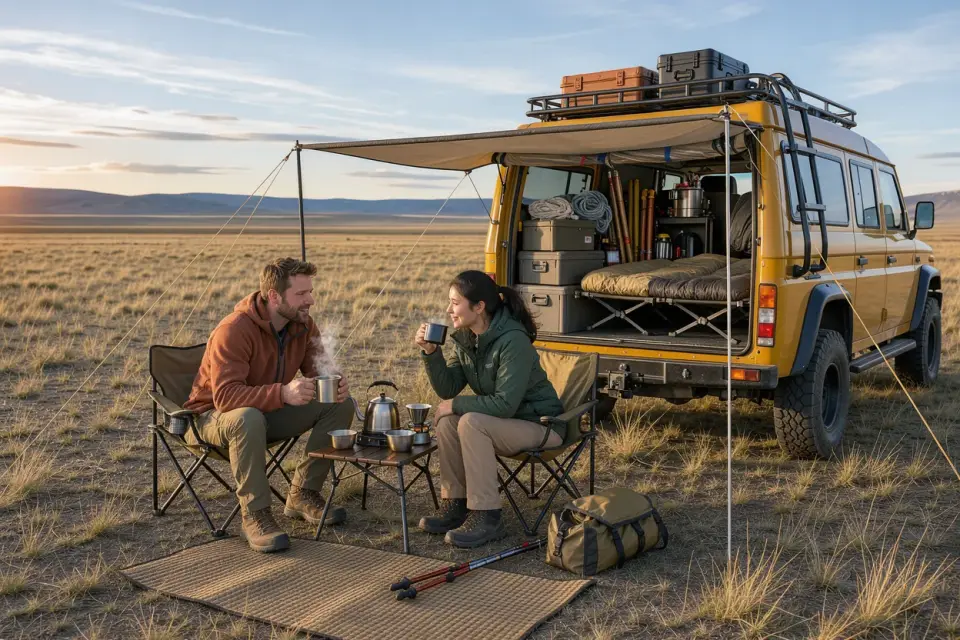
Consider this hypothetical scenario: A solo driver planning occasional summer weekend getaways across the Lake District evaluates whether to invest in high end expedition gear or a Decathlon UK camp setup.
In this example, the driver has secure interior boot space and plans trips strictly during moderate weather forecasts. Opting for a mid tier Decathlon shelter alongside their compact camp furniture provides adequate weather protection without overcommitting funds. The money saved remains available for vehicle maintenance and fuel.
Conversely, if the same driver shifted plans towards extended four season travel across remote coastal tracks, the priorities would reverse. The need for high wind stability, low bulk stowage, and field repairable aluminium frames would favour dedicated expedition grade gear over entry level recreation alternatives. Analysing your specific itinerary prevents both under equipping and overspending.
Common questions
Is Decathlon camping gear durable enough for long term overland travel?
Decathlon discounts varied product tiers; while entry level leisure gear suits mild weekends, their higher tier trekking and technical ranges feature stronger fabrics and aluminium poles better suited to repeated use and harsher weather.
What should I look for when checking a tent's weather resistance?
Check the hydrostatic head rating, seam taping quality, pole construction material, and ventilation design to balance water ingress protection against condensation build up in damp conditions.
Can I easily source spare parts for mass retail camping equipment?
Decathlon stocks standard replacement parts for many of their popular tent lines, including poles and patch kits, but buyers should verify specific component availability before departing on remote routes.
How do packed dimensions impact vehicle based camping setups?
Bulky circular pop up bags or large rigid bundles can quickly clutter cargo space; opting for modular, rectangular pack shapes makes vehicle pack outs more secure and efficient.
Partner discounts in this guide
Overland Finds may earn a commission from qualifying UK purchases made through this link, at no additional cost to you. This does not imply independent product testing or endorsement. Confirm current terms and availability with the partner.

Decathlon · UK
Explore tents, sleeping bags, hiking kit, cycling gear and outdoor clothing for your next trip. Browse the current range from Decathlon UK.
- Valid in
- UK
- Discount
- UK offer · Shop sports and outdoor gear