
AI assisted editorial. Published following automated quality checks, not independent fact verification. Confirm factual, safety and legal matters with appropriate professionals.
The short answer
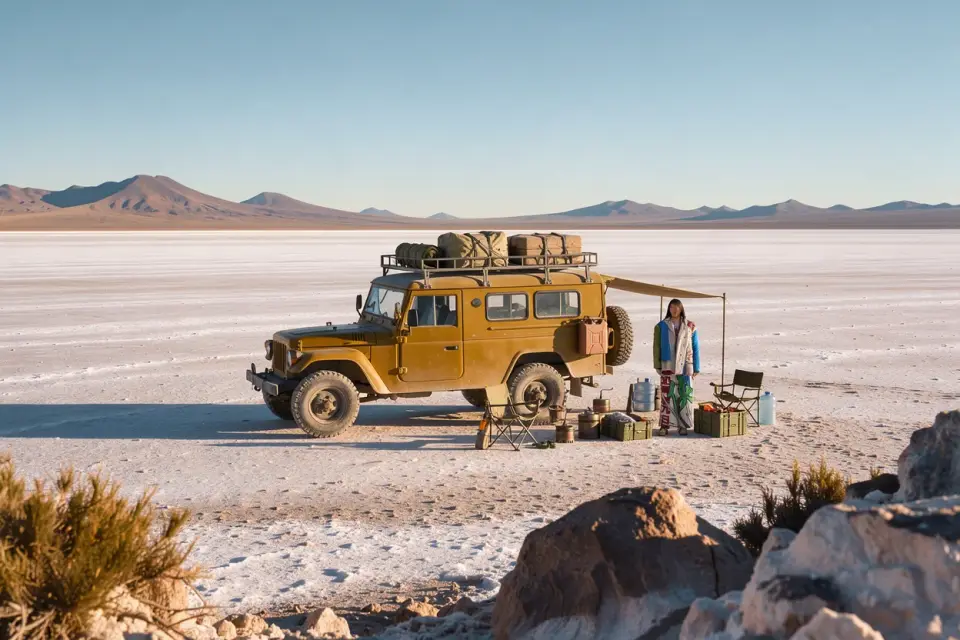
Overland travel often prioritises utilitarian outdoor apparel, yet life on the road also involves town layovers, cultural gatherings, and vehicle rest days where personal expression matters. This guide examines how distinctive designer apparel, such as Mukzin · USA by Mukzin, can integrate into an overlander wardrobe, helping you assess fabric care, pack volume, and versatility before buying.
Key takeaways
- Balance technical base layers with a small selection of versatile statement pieces for town stops, border crossings, and social evenings.
- Evaluate garment care requirements thoroughly, prioritising fabrics that tolerate hand washing, line drying, and tight compression in storage bags.
- Assess pack volume and weight against your rig storage layout before committing drawer or packing cube space to non utilitarian fashion.
- Use direct vendor inquiries to verify material blends and lining construction before purchasing fashion items for mobile living.
The Role of Expressive Clothing in Long Term Overland Travel
Vehicle based travel tends to revolve around utility. Overland packing lists routinely emphasise reinforced work trousers, waterproof shells, and moisture wicking technical base layers designed for camp chores and track maintenance. However, prolonged life on the road is rarely lived entirely in remote backcountry. Long distance journeys inevitably intersect with urban centres, cultural heritage sites, roadside restaurants, and border control facilities where technical outdoor apparel can feel distinctly out of place or unnecessarily utilitarian.
Carrying a curated selection of non technical, expressive clothing allows overlanders to transition smoothly between rugged tracks and community spaces. Dressing intentionally for a local gallery visit, a relaxed evening meal in town, or a rest day away from vehicle maintenance helps maintain a sense of normal routine and personal identity. Rather than seeing fashion as contradictory to the overland ethos, experienced vehicle travellers treat it as a deliberate component of travel wellbeing and cultural adaptability.
The primary challenge lies in the unforgiving physical constraints of vehicle living. Storage space in drawers, lockers, and soft duffels is tightly rationed, dust finds its way through door seals, and laundry facilities are often limited to hand basins or remote coin operated machines. Bringing fashion items onto a rig requires an honest assessment of how individual pieces handle compression, dirt, and repetitive wear without demanding delicate specialist care.
Evaluating Mukzin: Traditional Aesthetics and Road Practicality
Mukzin is a designer label focused on contemporary apparel infused with traditional Chinese aesthetics, with Mukzin · USA serving as a primary international channel for the brand. Partner provided descriptions highlight its emphasis on bold prints, distinctive silhouettes, and culturally inspired design elements that stand apart from conventional casualwear. It is important to note that Mukzin does not design garments specifically for overland travel or outdoor expeditions; rather, it is a creative fashion label that some travellers choose to incorporate into their mobile wardrobe for town days and social occasions.
When considering garments from Mukzin · USA for life in a campervan, roof tent setup, or overland truck, travellers should look beyond the initial visual appeal to understand garment architecture. Distinctive statement coats, detailed shirts, and tailored trousers can elevate an off duty wardrobe, but their utility on the road depends entirely on the specific fabrics and finishes used. A structured jacket might serve as an ideal layer for autumn city tours, while loose silk blends or delicate embroidery might prove too vulnerable to trail vibration and snagging inside a cramped vehicle locker.
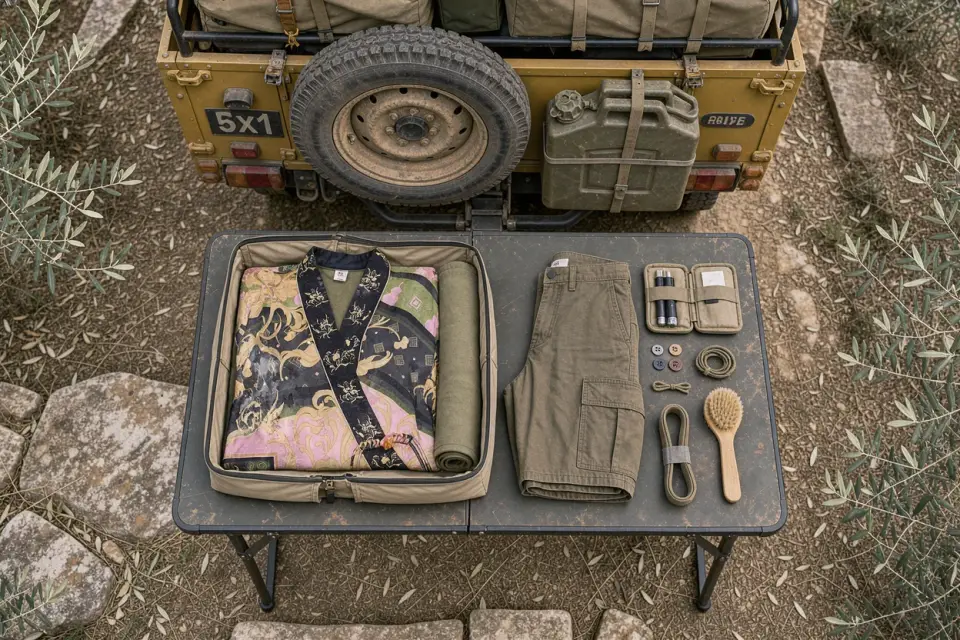
Choosing to travel with designer pieces from brands like Mukzin requires intentional separation between camp duties and transit days. By reserving expressive garments for clean, non mechanical activities and storing them inside dust sealed garment envelopes or dedicated packing cubes, overlanders can enjoy distinctive style during urban stopovers without subjecting intricate designs to the abrasive realities of recovery gear and campfires.
An Overland Decision Framework for Statement Clothing
To decide whether any piece of expressive fashion belongs in your vehicle, apply a four part evaluation framework tailored to mobile living: pack volume, care tolerance, cross context versatility, and physical durability.
Pack volume and wrinkle recovery come first. Because vehicle storage is limited, an overland fashion item should compress into a standard packing cube without permanently creasing or losing structural integrity. Natural fibres like heavier cottons, resilient wool blends, and performance synthetics often shed travel wrinkles quickly when hung in a humid washroom or outside in the morning breeze. Rigidly structured pieces with internal padding or stiff stays rarely compress well and consume disproportionate space.
Care tolerance is equally vital. Overland washing options range from stream rinsing with camp soap to harsh industrial laundromats in rural towns. If an expressive garment requires strict dry cleaning or delicate flat drying, it will quickly become a logistical burden on an extended expedition. Prioritise pieces that can survive gentle hand washing and air drying on an awning line.
Cross context versatility ensures the garment earns its place. A statement top should pair easily with durable travel trousers or over a simple base layer, allowing you to create multiple outfits from minimal items. Finally, check seam strength and surface texture: garments without exposed, delicate threads or fragile beading will hold up much better against the friction of vehicle seatbelts and rough storage surfaces.
Questions to Clarify with Clothing Brands Before You Order
Because contemporary designer labels are rarely styled or photographed with overland conditions in mind, engaging directly with customer service or reviewing detailed care specifications before purchasing is essential.
Begin by asking about fabric composition and lining materials: 'What is the precise breakdown of the shell and interior lining, and do the internal seams feature protective binding?' Delicate unlined garments can wear quickly under the friction of repetitive driving, while synthetic linings can trap heat during humid tropical crossings.
Inquire specifically about washing procedures: 'Can this garment withstand hand washing in cold water, or will machine agitation and line drying cause shrinkage, colour bleeding, or damage to printed detailing?' Clarifying this avoids ruining a prized piece at a campsite tap.
Ask about sizing and mobility: 'Is the cut structured or relaxed, and does the fabric contain elastane or natural mechanical stretch?' Long driving days and climbing into raised vehicles demand unrestricted movement through the shoulders, hips, and thighs. Finally, check return policies for mobile addresses: 'What is the return window, and does it accommodate delivery to temporary depot addresses or post restante services along an overland route?'
Hypothetical Decision Example: Outfitting a Trans Continental Route
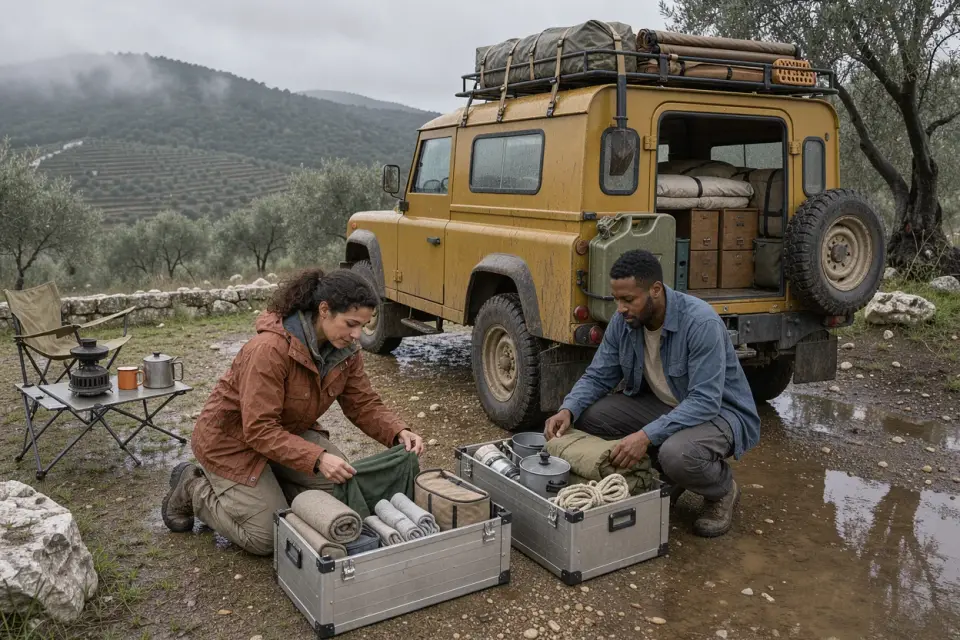
Consider this clearly labelled hypothetical scenario: Alex and Jordan are outfitting a four wheel drive camper for a six month overland journey that includes both remote desert tracks and extended stays in historic trading cities. Space inside their storage cubbies is strictly capped at two medium packing cubes per person.
Jordan prefers functional monochrome travel clothing for mechanical tasks and backcountry camps but wants one standout outfit for dining out and visiting cultural districts. Jordan evaluates two options from Mukzin · USA: an intricately embroidered lightweight duster coat versus a structured, heavy knit printed cardigan.
Applying the overland framework, Jordan reviews the duster coat. While visually striking, the loose sheer fabric and raised embroidery carry a high risk of snagging on vehicle hardware and require gentle hand washing that may prove difficult in dry zones. Conversely, the printed knit cardigan features a smooth surface weave, rolls tightly into a packing cube, can be machine washed on gentle cycles, and doubles as an evening warmth layer around camp. In this hypothetical assessment, Jordan selects the knit cardigan, ensuring the garment delivers reliable comfort, cultural adaptability, and low maintenance resilience throughout the journey.
Common questions
Why should overlanders consider carrying fashion garments instead of purely outdoor gear?
Extended overland travel includes transit through urban centres, border crossings, cultural institutions, and social events. Carrying a few curated fashion pieces helps travellers adapt culturally, feel presentable outside campsites, and maintain personal wellbeing and normal lifestyle routines on the road.
How should non technical designer garments be stored inside an overland rig?
Store expressive garments inside sealed packing cubes or breathable zip bags to protect fabrics from fine road dust, moisture, and friction against rough locker walls. Avoid rigid hangers unless your vehicle has a dedicated, sealed wardrobe compartment.
What fabric characteristics are best for fashion items taken on expedition vehicles?
Look for resilient medium weight cottons, merino wool, high grade linen blends, or durable synthetics with good wrinkle recovery. Avoid fabrics with delicate external embroidery, loose weaves that easily snag on vehicle fittings, or garments requiring strict dry cleaning.
Is Mukzin clothing designed specifically for outdoor or off road environments?
No. Mukzin is an independent designer fashion label inspired by traditional Chinese aesthetics and created for contemporary urban wear. Overlanders who purchase Mukzin items select them for off duty town wear, cultural excursions, and travel transitions rather than outdoor trail performance.
Partner discounts in this guide
Overland Finds may earn a commission from qualifying purchases made by USA users through this link, at no additional cost to you. This does not imply independent product testing or endorsement. Confirm current terms and availability with the partner.
Mukzin · USA
Discover Mukzin, a designer label creating contemporary clothing inspired by traditional Chinese aesthetics.
- Valid in
- USA
- Discount
- USA offer · Shop the current collection