
AI assisted editorial. Published following automated quality checks, not independent fact verification. Confirm factual, safety and legal matters with appropriate professionals.
The short answer
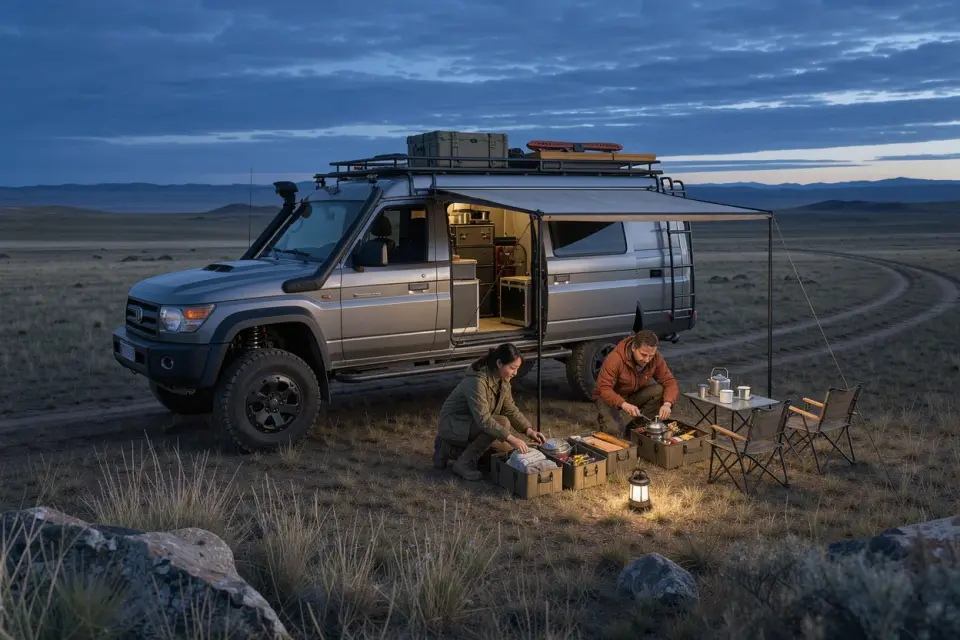
Vehicle based travel requires a mixture of specialised expedition equipment and everyday household utility. Broad online marketplaces such as Lapert provide accessible access to general home goods, organisation bins, hand tools, and clothing suitable for camp life, helping overlanders restock and organise their rigs efficiently between extended remote journeys.
Key takeaways
- Distinguish between mission critical recovery kit and everyday camp utility items when buying from general marketplaces.
- Verify dimensions, packed volume, and material tolerances against your vehicle storage layout before ordering.
- Utilise general platforms to replace consumable camp supplies, storage organisation, and basic road trip hardware economically.
- Confirm delivery timelines and collection logistics to match your overland itinerary across Czechia and Slovakia.
The Role of General Marketplaces in Overlanding
Preparing an overland rig often feels dominated by high end vehicle modifications, heavy duty suspension systems, and technical recovery apparatus. However, seasoned road travellers know that the majority of day to day existence on the trail revolves around ordinary living tasks: organising pantry goods, securing small utility spares, hanging laundry at camp, and repairing simple campsite hardware. This is where broad online platforms enter an expedition planner's workflow.
General platforms such as Lapert, an online marketplace serving Czechia and Slovakia with home goods, clothing, everyday tools, and domestic essentials, provide a convenient procurement channel for non specialised travel supplies. Rather than paying a premium at boutique outdoor outfitters for generic utility items, overlanders can source storage containers, work wear, small fasteners, kitchen utensils, and camp comfort basics directly from broad catalog platforms.
The primary advantage during expedition staging is consolidated logistics. Preparing for a cross border trip requires managing countless minor gear acquisitions alongside primary vehicle servicing. Sourcing routine camp hardware and living essentials through an established regional marketplace lets travellers systematically tick off non mechanical packing lists from home or during scheduled rest stops.
Evaluating Everyday Gear for Rig Life
When purchasing from a general retail marketplace, overlanders must apply a rigorous filter to determine what belongs in an overland vehicle. Items suited for static domestic life do not always survive continuous road vibration, dust intrusion, and erratic temperature shifts. Choosing wisely requires looking past standard product photography to evaluate practical utility inside a moving vehicle.
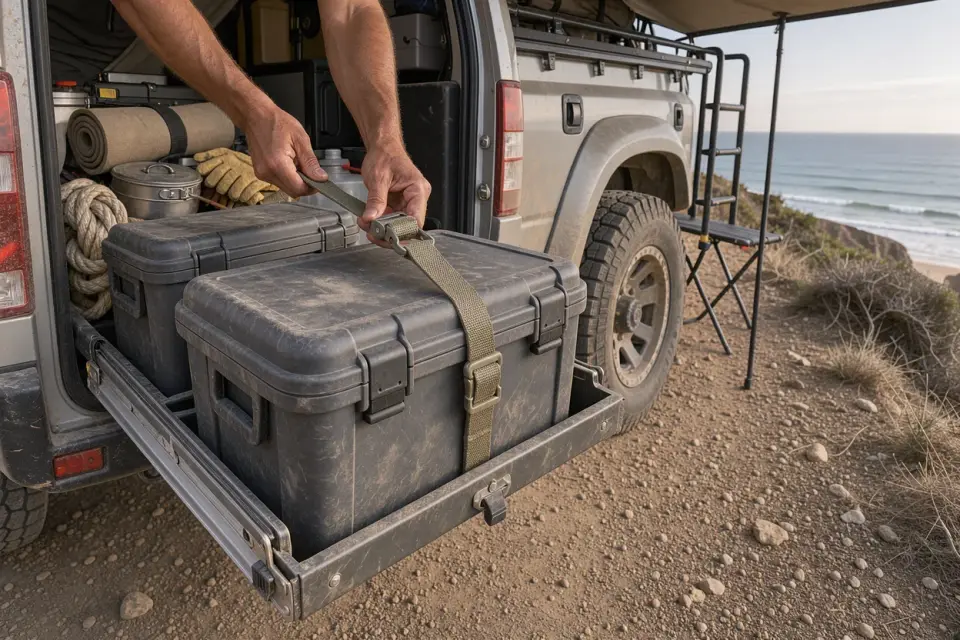
Household storage boxes, for instance, must be assessed for brittle plastics versus pliable, impact resistant polypropylene that will not crack over corrugated washboard tracks. Similarly, everyday workshop hand tools sourced for an overland tool roll should feature robust metal alloys and secure closures rather than fragile aesthetic casings. Basic clothing items such as work socks, thermal underlayers, and foul weather camp boots must prioritise rugged washability over high street fashion trends.
It is equally crucial to maintain strict boundaries regarding what should not be purchased through broad general marketplaces. Safety critical overland gear including kinetic recovery straps, winch extension lines, rated recovery points, and certified vehicle jacking systems requires independent mechanical testing, traceable load ratings, and specialised engineering that general domestic vendors rarely provide. Keeping everyday consumables separate from mission critical recovery kit ensures trail reliability remains uncompromised.
Practical Comparison Framework: Specialist Outfitter vs General Marketplace
To decide where to spend your outfitting budget, consider a structured comparison based on four core criteria: operational risk, dimensional flexibility, replacement cost, and delivery logistics.
1. Operational Risk: High consequence components such as vehicle suspension bushes, steering dampeners, electrical power management, and rated vehicle recovery ropes demand specialised procurement from automotive and expedition engineering specialists. In contrast, low consequence items such as wash basins, washing lines, storage caddies, microfibre cloths, basic hand tools, and camp kitchen cutlery carry zero mechanical failure risk for the vehicle and are ideal purchases on general marketplaces like Lapert.
2. Cost and Consumability: Specialist overland stores naturally attach branding and research margins to their catalogue. While justified for engineered equipment, paying specialty markups for camp pantry bins, bungee cords, work gloves, or water jugs rarely makes financial sense. General marketplaces provide substantial savings on consumable goods that will inevitably suffer wear, grease, and campfire smoke.
3. Logistics and Routing: Specialist gear often incurs bespoke freight delays and specialist warehouse lead times. General domestic platforms typically leverage established national logistics networks, making them well suited for pre trip preparation or dispatch to urban transit points during a scheduled layover on a longer journey.
Questions to Check Before Ordering for Your Rig
Before finalising an order on an online marketplace while planning a journey, ask these targeted questions to avoid wasted space and logistical headaches:
Will the exterior packaged dimensions fit the exact clearances of my drawer systems, roof rack cases, or footwell storage? Standard listings often state inner volumes rather than external footprint dimensions.
Are the materials tolerant of vehicle vibrations and UV exposure, or will thin plastics become brittle after weeks on the roof rack or dashboard?
What are the specific parcel collection or dispatch timelines, and can the package be directed to a secure postal parcel locker or pickup depot along my planned transit route?
What is the seller's return policy if an item arrives damaged or differs from the listing specifications while I am away on the road?
Hypothetical Decision Example: Equipping an Overland Galley
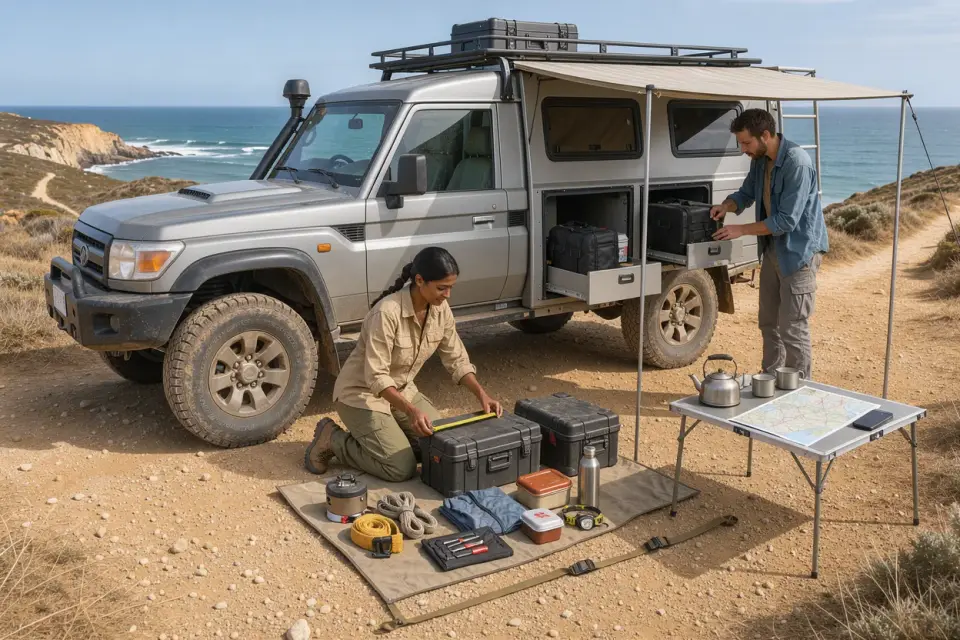
To understand how a marketplace fits into practical preparations, consider a hypothetical traveller outfitting the living quarters of a converted four wheel drive wagon ahead of an extended road journey. The traveller needs to establish a functional camp kitchen, install small parts organisation in the rear cargo area, and secure dependable vehicle recovery kit.
For vehicle recovery, the traveller opts exclusively for a dedicated four wheel drive outfitter to purchase an independently certified, load rated kinetic rope and forged bow shackles, acknowledging that structural vehicle safety demands verified manufacturing standards.
For the camp galley and storage, the traveller turns to a general marketplace like Lapert. They order stackable plastic pantry bins, silicone collapsible containers, heavy duty utility towels, stainless steel cookware, a compact digital tyre pressure gauge, and durable mechanics gloves. By sourcing these routine camp living products through a general consumer platform, the traveller completes their camp organisation efficiently and economically, reserving their main budget for critical mechanical servicing and fuel.
Common questions
What items are best sourced from a general online marketplace for overlanding?
General marketplaces are ideal for non critical camp essentials, including modular storage crates, camp kitchen cutlery, silicone food containers, work gloves, microfibre cleaning towels, and basic hand tools that do not carry safety critical load ratings.
Should vehicle recovery equipment be bought on general retail marketplaces?
No. Mission critical recovery equipment like kinetic straps, winches, and rated shackles should be sourced from verified specialist automotive outfitters with certified engineering standards and clear load ratings.
How should overland travellers manage parcel deliveries while travelling?
When ordering on the road, coordinate delivery to designated automated parcel collection lockers, local post office collection points, or verified campsites along your transit route with adequate schedule leeway.
Partner discounts in this guide
Overland Finds may earn a commission from qualifying purchases made through these links, at no additional cost to you. Each link applies to customers in the country shown. This does not imply independent product testing or endorsement. Confirm current terms and availability with the partner.

Lapert
Lapert is an online marketplace for home items, toys, tools, clothing and everyday essentials. Pick the store for your country below.
- Valid in
- Czechia and Slovakia