
AI assisted editorial. Published following automated quality checks, not independent fact verification. Confirm factual, safety and legal matters with appropriate professionals.

The short answer
For overlanders planning fly and drive expeditions, waiting on delayed shipping containers, or scouting routes abroad, vehicle hire brokers offer flexible mobility. This guide explores how Holiday Autos fits into overland travel logistics, what contractual terms to check, and how to evaluate rental brokers against independent operators.
Key takeaways
- Rental aggregators offer extensive global pickup points, making them useful for fly and drive overland stages or unexpected shipping delays.
- Standard hire agreements frequently prohibit driving on unpaved surfaces, requiring careful scrutiny of local rental terms before booking.
- Broker platforms provide booking access, but the final vehicle condition and roadside support depend entirely on the on the ground rental operator.
- Always clarify cross border travel permissions and remote recovery logistics directly with the local depot prior to departure.
When Vehicle Rental Fits an Overland Strategy
Overlanding is typically associated with heavily modified, privately owned rigs equipped for extended self sufficiency. However, long distance overland travel often demands operational flexibility. Shipping a private vehicle across oceans introduces substantial downtime, customs inspections, and potential port delays. During these interim periods, or when undertaking short scouting expeditions to test navigation tracks before committing a primary rig, commercial vehicle rental becomes a practical logistical tool.
Aggregators such as Holiday Autos provide an interface to locate hire vehicles worldwide. Partner information from Holiday Autos describes their platform, Holiday Autos, Global Car Rental · Multi Geo, as offering access to car rental deals from over 1,200 rental agents across 30,000 locations in 174 countries. For vehicle travellers, such broad geographic reach allows for fly and drive legs in regions where bringing an expedition vehicle is cost prohibitive or logistically unfeasible.
Using a mainstream rental aggregator requires adjusting typical overlanding expectations. Mainstream rental fleets consist primarily of standard passenger cars, estate models, and factory specification four wheel drive sport utility vehicles. These platforms suit paved transit routes, secondary tarmac travel, and established gravel access roads to regional campsites, rather than technical off grid exploration.
A Practical Comparison Framework: Broker vs Specialist Outfitter
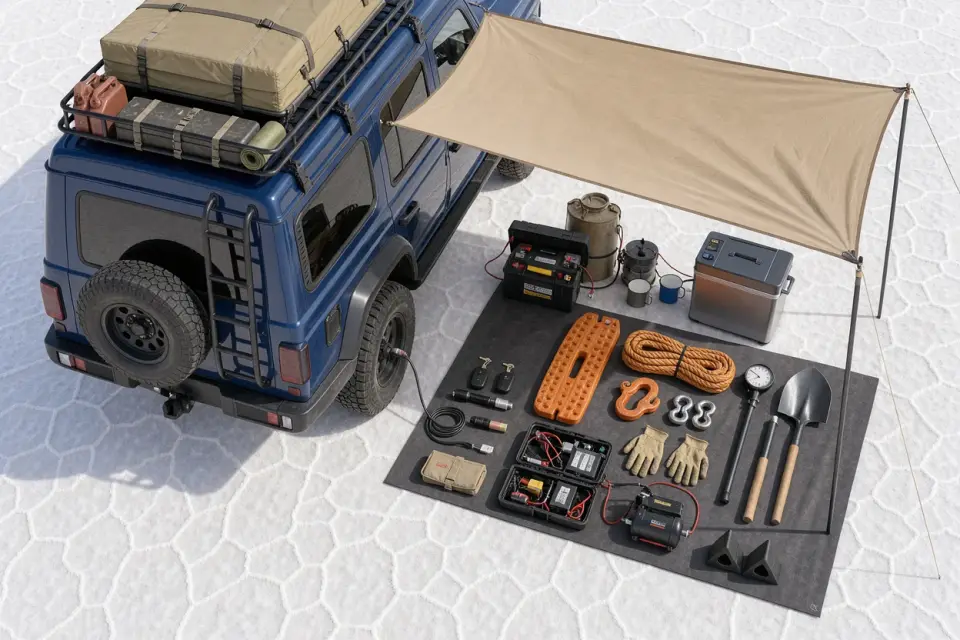
When planning a vehicle dependent journey without your own rig, you must decide between a global rental broker and a local overland outfitter. A global broker aggregates mainstream rental operators, offering vast network coverage, standard collection points at transport hubs, and straightforward booking interfaces. In contrast, specialist overland outfitters supply purpose built expedition vehicles fitted with rooftop tents, dual battery systems, and recovery kit, but operate from limited geographical bases at higher baseline costs.
Consider vehicle capability as your primary evaluation axis. Standard rental vehicles sourced through broker networks generally feature factory road tyres, standard ground clearance, and electronic all wheel drive systems tuned for tarmac and graded gravel. Specialist outfitters offer heavy duty all terrain tyres, raised suspensions, and self recovery equipment designed for backcountry tracks.
Consider logistical convenience as your secondary axis. Rental brokers excel when you need a vehicle directly upon arrival at a major airport or railway hub to transit between remote towns or reach pre booked base camps. If your route relies on managed roads and designated camping areas with basic facilities, a standard hire through an aggregator provides an economical alternative to an expedition grade build.
Contractual Realities and Remote Travel Limitations
The most critical consideration for overlanders using commercial car hire is the small print regarding road surfaces. Standard vehicle rental contracts routinely contain explicit exclusions regarding unsealed surfaces, non gazetted tracks, and tidal areas. Violating these clauses often invalidates insurance coverage, leaving the hirer personally liable for mechanical damage, chassis scraping, or recovery towing costs.
Tyre policies present another vital operational detail. Factory road tyres on standard rental cars are vulnerable to sidewall punctures on sharp gravel, shale, and graded dirt roads. Unlike expedition rigs that carry two full sized spares and plug kits, hire cars frequently include only a space saver spare or a chemical inflation cannister, neither of which is suitable for remote tracks.
Remember that booking through a broker establishes a reservation with an underlying local supplier. The terms presented on the aggregator platform outline general conditions, but the contractual agreement signed at the desk is with the local counter. Ensure that any intended border crossings, national park transits, or secondary road usage comply fully with the specific counter agreement.
Hypothetical Decision Example: Fly and Drive Route Reconnaissance
Consider a hypothetical traveller named Mark who is planning an extended overland journey across the Scandinavian interior. His primary expedition camper is currently undergoing seasonal maintenance in the UK, but he wishes to spend seven days assessing driving times, mountain pass conditions, and managed dispersed campsites in northern Norway before finalising his route.
Mark evaluates two main paths: shipping his unfinished camper early via freight, or flying into a regional hub and collecting an all wheel drive estate car through Holiday Autos. Shipping involves fixed port dates, costly freight bills, and rigid timing. The rental route provides flexibility: he can fly directly to the starting point, collect a vehicle with modern heating and navigation, and complete his reconnaissance using mountain tarmac and established gravel roads.
In this scenario, Mark chooses the rental option because his itinerary stays on legal, maintained roads. He verifies with the local depot that driving on graded public gravel roads is permitted under the local terms, purchases comprehensive excess cover, and inspects the spare wheel before leaving the depot. The broker model gives him the mobility needed to scout his future overland route without committing his own rig.
Inquiries to Make Before Confirming Your Rental
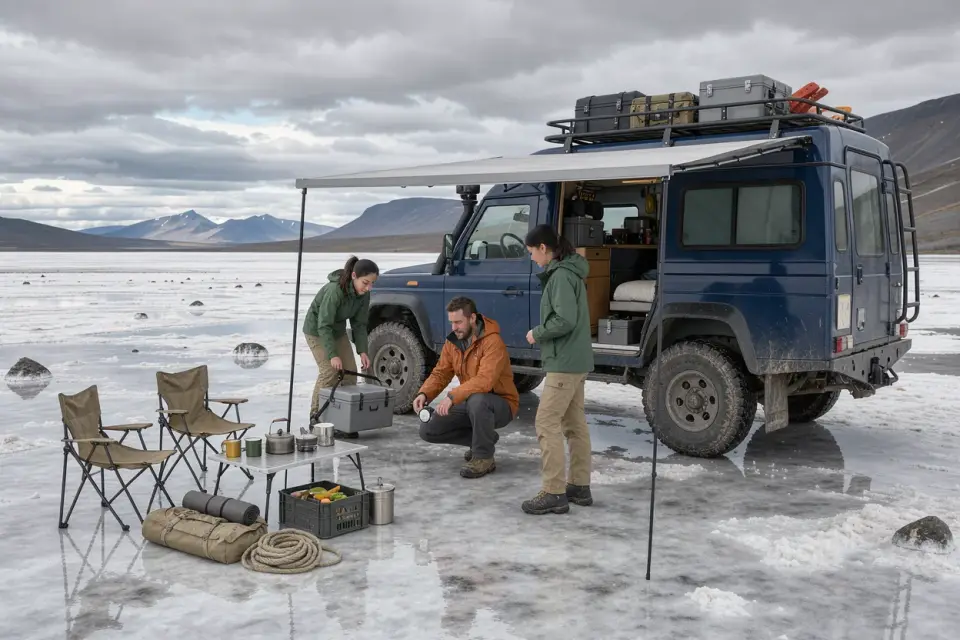
Before booking a vehicle through any aggregator for adventure travel, contact the local operating supplier to clarify practical travel restrictions. Start by asking about surface definitions: confirm whether the contract allows driving on graded, publicly maintained unpaved gravel roads leading to trailheads and rural campsites, or if coverage is strictly limited to tarmac.
Inquire specifically about regional breakdown recovery procedures. Standard roadside assistance packages may only cover towing on primary thoroughfares. You need to know who pays for vehicle recovery if a mechanical fault or tyre issue occurs several dozen kilometres down a rural access track.
Finally, address international border crossings and environmental access zones. Many overland itineraries involve crossing multiple national boundaries. You must ask whether cross border travel is permitted for your vehicle class, what daily surcharges apply, and whether the counter can supply the required cross border vehicular documentation upon collection.
Common questions
Can I use a vehicle hired through Holiday Autos on unpaved overland tracks?
This depends entirely on the local rental operator's terms and conditions. Most mainstream suppliers strictly prohibit driving on unpaved roads, beaches, and off road tracks. You must read the specific supplier rules on the booking page and confirm permitted road surfaces directly with the desk.
Does Holiday Autos supply fully equipped overland expedition vehicles?
No. Holiday Autos acts as a global car rental aggregator connecting travellers to standard commercial fleets from over 1,200 rental agents. Their vehicle inventory consists of conventional passenger cars, estates, people carriers, and standard factory sport utility vehicles.
What happens if I experience a tyre puncture in a remote rural area?
Standard rental agreements place responsibility for tyre and glass damage on the renter unless specific excess reduction is purchased. Hirers must check whether the vehicle includes a full size spare tyre, a space saver wheel, or an emergency inflation kit before driving into rural areas.
Who provides roadside assistance when booking through a rental broker?
Roadside assistance is provided directly by the local rental company supplying the car, not by the broker platform. Travellers should clarify the geographical reach of breakdown recovery with the local desk, particularly when travelling far from major urban centres.
Partner discounts in this guide
Overland Finds may earn a commission from qualifying bookings made by customers in the serviceable countries through this link, at no additional cost to you. This does not imply independent product testing or endorsement. Confirm current terms and availability with the partner.

Holiday Autos, Global Car Rental · Multi Geo
Holiday Autos discounts customers access to competitive car rental deals from over 1,200 rental agents across 30,000 locations in 174 countries.
- Valid in
- Multi Geo
- Discount
- Compare car rental deals worldwide with free cancellation and no transaction fees.