
AI assisted editorial. Published following automated quality checks, not independent fact verification. Confirm factual, safety and legal matters with appropriate professionals.
The short answer
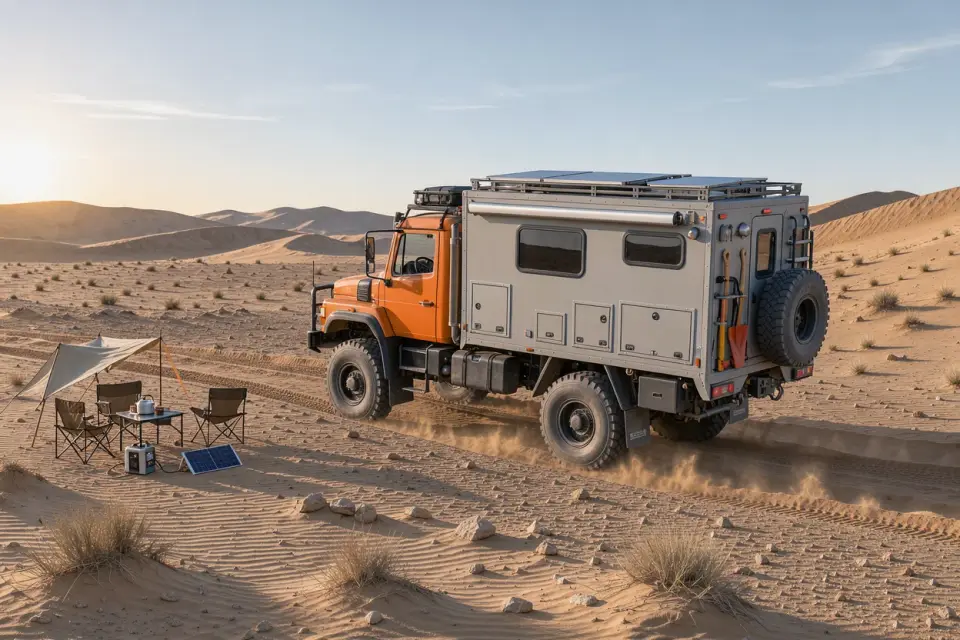
Selecting vehicle heating and off grid electrical equipment requires balancing your base vehicle fuel type, battery capacity, and travel environments. This guide explains how to approach heating and electrical integration, what to consider when sourcing hardware from specialist retailers such as Butler Technik, and how to assess installation needs.
Key takeaways
- Align your cabin heater selection with your vehicle base fuel to simplify plumbing and avoid managing secondary fuel supplies on the road.
- Factor heater startup current into your 12V or 24V power budget alongside other daily domestic overland loads.
- Choose established equipment lines with verifiable spare parts availability to ensure long term serviceability during remote travel.
- Verify whether heater kits include vehicle specific mounting hardware, exhaust routing, and fuel pick up pipes before purchasing.
Understanding Integrated Heating and Auxiliary Power
Equipping an overland vehicle, campervan, or converted commercial vehicle for three season or winter travel demands dependable climate control and auxiliary electrical storage. While heating and leisure electrics are often researched separately, they function as an integrated ecosystem in practice. Fuel burning blown air heaters draw liquid fuel from the main vehicle tank or a dedicated auxiliary reservoir, but their control electronics, glow plugs, and internal circulation fans rely entirely on the leisure battery bank.
A common oversight during vehicle planning is treating the heater solely as a fuel consumer. During the initial ignition phase, a diesel or petrol heater draws a brief but significant current spike to power the glow pin or spark system. If your battery chemistry, cable gauge, or terminal connections suffer excessive voltage drop under load, the heater control unit can register a low voltage fault and shut down, even if the battery has adequate residual capacity. Consequently, purchasing vehicle climate hardware requires planning your battery bank, solar charging, and alternator charging alongside heating outputs.
Partner Profile: Butler Technik · UK
When sourcing specialist vehicle climate control and electrical components, buyers frequently encounter established distribution specialists. Butler Technik is a UK based commercial retailer that provides heating systems, replacement parts, installation accessories, and off grid electrical hardware. According to the supplier's provided information, Butler Technik · UK lists Eberspächer and Webasto vehicle heaters, spare parts, and installation kits, alongside Victron Energy power equipment for campervans, motorhomes, boats, and commercial vehicles.
Retailers stocking these established product lines typically cater to self builders, commercial fleet converters, and marine operators who require complete boxed kits or individual replacement components, such as fuel dosing pumps, silencers, ducting, and digital controllers. While third party suppliers stock recognised manufacturer brands, buyers should distinguish between the retailer's logistical service and the independent performance of each manufactured product. Assessing whether a supplier provides comprehensive technical documentation, genuine manufacturer backed warranties, and correct UK installation brackets is essential when finalising a supplier choice.
Practical Comparison Framework for Vehicle Heating Systems
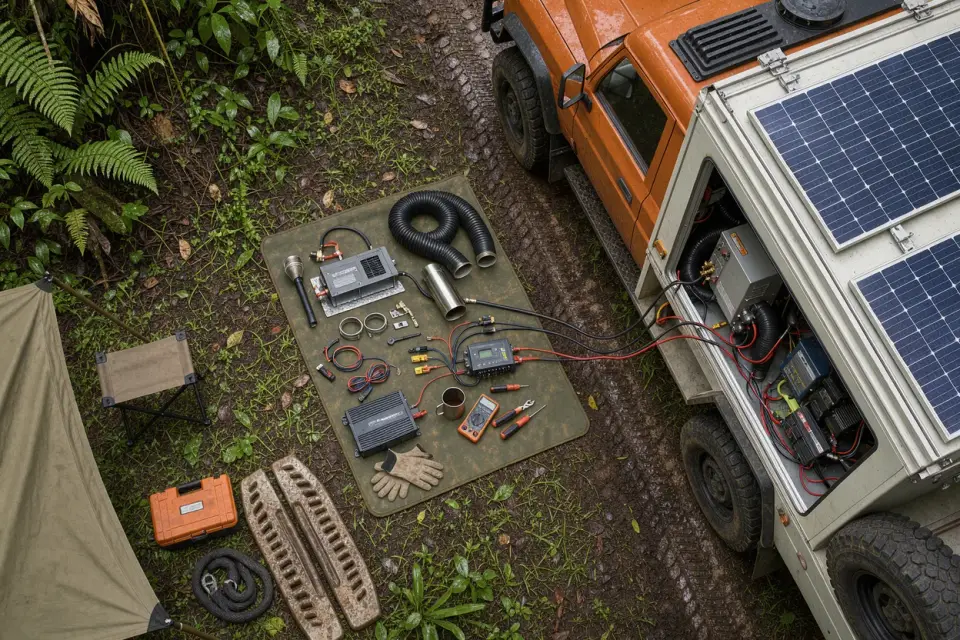
When evaluating blown air and hydronic heating systems, buyers face three primary configurations: diesel, petrol, or dedicated liquid gas (LPG). Each approach involves distinct trade offs in fuel sourcing, electrical draw, maintenance frequency, and cabin packaging.
Dedicated diesel air heaters remain the standard choice for diesel based overlanding vehicles because they tap directly into the chassis tank via a standpipe or sender unit. Their primary benefit is universal fuel availability worldwide, eliminating the need to search for country specific gas bottle fittings. However, diesel burners can experience soot accumulation if operated continuously on their lowest heat output setting, meaning units must periodically run on high heat to clear internal combustion chambers. They also require clean fuel and routine fuel filter inspections.
Petrol air heaters offer equivalent convenience for petrol van conversions, sharing the primary fuel supply and providing fast warm up cycles. Petrol burns cleanly with minimal carbon buildup, but the fuel carries higher volatility, making compliant fuel line routing, heat shielding, and certified connections exceptionally critical.
Hydronic (water based) heating systems heat a coolant loop rather than blowing hot air directly into the living space. This hot coolant is circulated through a heat exchanger to warm domestic tap water and blown air matrix units. While hydronic systems offer excellent thermal comfort and multi zone heating, they are mechanically more complex, involve coolant plumbing throughout the vehicle, and draw higher continuous electrical power due to running external circulation pumps alongside blower fans.
Key Inquiries to Make Before Ordering
Before purchasing heating units or complex power distribution hardware from an equipment retailer, prepare specific questions regarding kit completeness, vehicle compatibility, and long term support. Incomplete kits frequently lead to unexpected project delays or improvised installations that compromise safety.
First, ask the seller whether the kit includes a universal installation bundle or vehicle specific components. Vehicles often require unique fuel sender adaptors, floor mounting plates, or extended exhaust pipes to clear chassis crossmembers safely.
Second, verify the warranty terms and registration process. Confirm whether the manufacturer's warranty requires installation by a certified engineer or if self builders can retain coverage by adhering strictly to supplied mounting guides and commissioning procedures.
Third, inquire about the continuous electrical current and startup peak requirements. Cross reference these figures against your auxiliary battery capacity, especially if you plan to use lead carbon, AGM, or lithium iron phosphate (LiFePO4) storage in cold climates where battery discharge efficiency drops.
Finally, check the availability of service spares. Inquire whether basic maintenance items such as glow pins, burner gaskets, fuel filters, and screen meshes are kept in stock for individual dispatch, ensuring your investment remains serviceable across multiple years of travel.
Hypothetical Decision Example: Outfitting a Medium Wheelbase Van
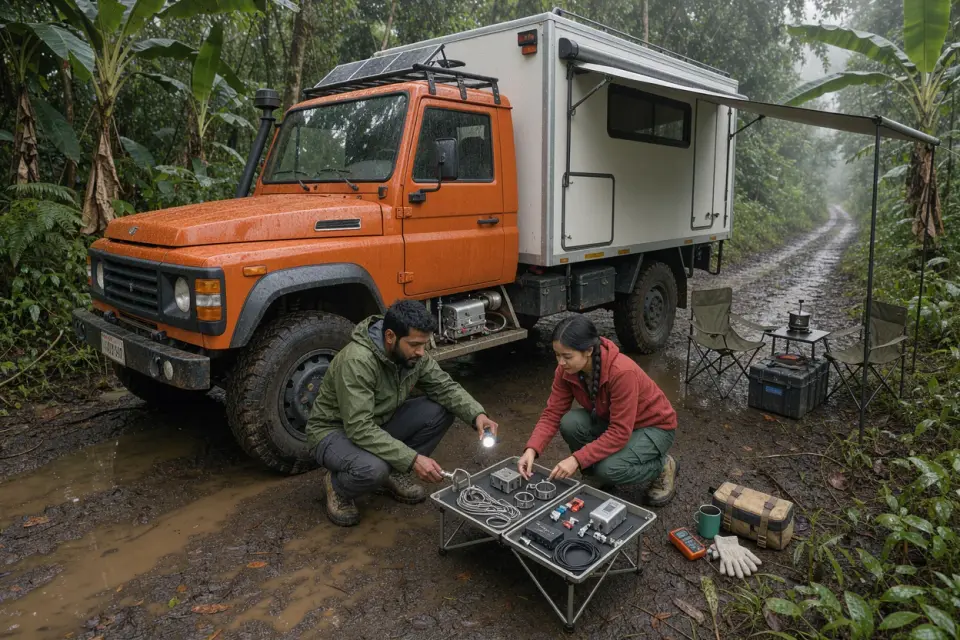
To illustrate how a buyer evaluates these trade offs, consider a hypothetical conversion project involving a medium wheelbase diesel van intended for all season UK and European travel, occupied by two people with moderate off grid demands.
Option A focuses on a standalone, low cost unbranded diesel heater paired with a generic leisure battery. While initial outlay is minimal, the builder faces uncertain component sourcing, inconsistent installation instructions, a lack of official replacement parts, and limited integration documentation.
Option B selects an Eberspächer or Webasto 2kW diesel air heater sourced from a distributor like Butler Technik, complemented by a Victron Energy auxiliary power system featuring a dedicated smart shunt, DC DC charger, and lithium battery storage. The higher initial financial investment reflects genuine branded engineering, clear ducting specifications, known current draw ratings, and reliable access to replacement seals and controllers.
In this hypothetical scenario, Option B discounts measurable practical advantages. The 2kW output matches the thermal envelope of an insulated medium van without forcing the burner to short cycle constantly on minimum setting. Furthermore, the verified power data allows the owner to size the auxiliary battery capacity accurately, ensuring the heater can cycle reliably overnight without dropping below safe cutoff thresholds.
Common questions
Can I install a vehicle fuel burning heater entirely on my own?
Self installation is possible for competent individuals, but it involves fuel lines, 12V electrical connections, and external exhaust plumbing. If you lack experience with vehicle systems, professional fitting is advised to ensure exhaust safety and maintain manufacturer warranty validity.
How much electricity does a standard 2kW diesel air heater consume?
A typical 2kW diesel air heater draws approximately 8 to 11 amps for a couple of minutes during ignition, settling down to around 0.8 to 2.5 amps during continuous operation depending on the internal fan speed.
Will a vehicle heater run reliably at high altitudes above 1,500 metres?
Standard fuel burning heaters encounter thin air at high altitudes, which can cause incomplete combustion and sooting. Look for models with integrated barometric sensors or dedicated high altitude kits designed to automatically adjust fuel dosing ratios.
Is it safe to run a diesel or petrol vehicle heater overnight while sleeping?
Yes, properly installed fuel burning heaters use a sealed combustion chamber that draws fresh air from outside and vents exhaust gases beneath the vehicle. Fitting an audible carbon monoxide alarm inside the living area is always strongly recommended.
Partner discounts in this guide
Overland Finds may earn a commission from qualifying UK purchases made through this link, at no additional cost to you. This does not imply independent product testing or endorsement. Confirm current terms and availability with the partner.

Butler Technik · UK
Find Eberspächer and Webasto vehicle heaters, spare parts and installation kits, plus Victron Energy power equipment, for campervans, motorhomes, boats and commercial vehicles.
- Valid in
- UK
- Discount
- UK offer · Shop vehicle heaters and parts