
AI assisted editorial. Published following automated quality checks, not independent fact verification. Confirm factual, safety and legal matters with appropriate professionals.
The short answer
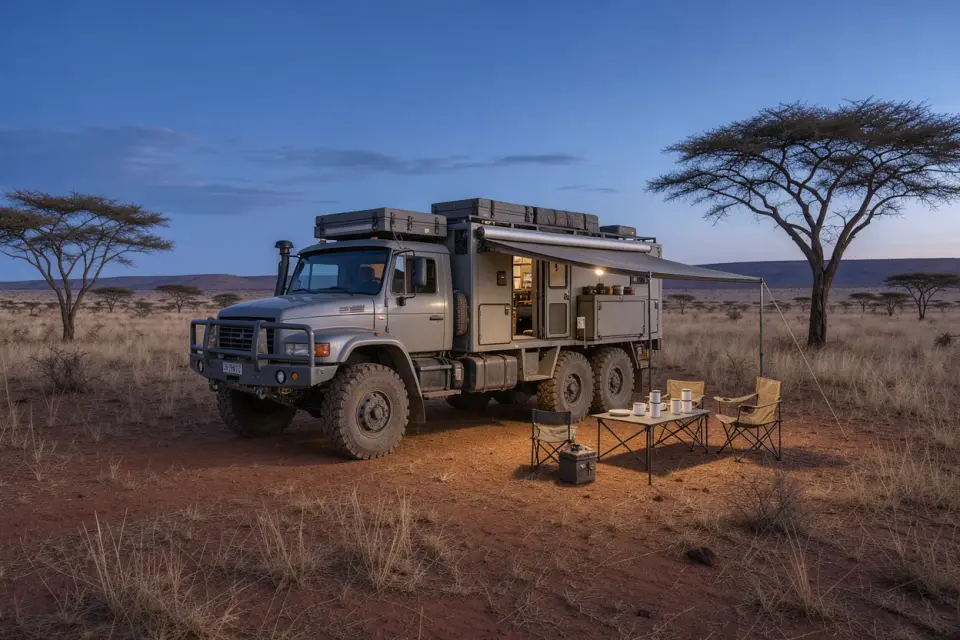
Bringing thoughtful design into an overland rig softens utilitarian camp life, yet vehicle travel demands rattle free storage and shatter resistance. This guide assesses how lifestyle items like typography tableware from Design Letters · France by Design Letters integrate into mobile living, balancing everyday road practicality with personal camper aesthetics.
Key takeaways
- Assess base materials carefully to distinguish between trail ready break resistant items and delicate ceramics that require bespoke padded storage.
- Use lettered or distinctively marked drinkware to prevent mix ups among passengers in tight vehicle living spaces.
- Account for off road vibration by planning anti rattle lining or nesting arrangements for any lifestyle homeware.
- Weigh the psychological comfort of an attractive rig interior against the weight and volume constraints of camper storage.
Balancing Utility and Homely Comfort on the Road
Overland travel frequently prioritises rugged minimalism, favouring olive drab canvas, bare aluminium lockers, and industrial storage bins. While functional resilience is essential when crossing remote washouts or driving washboard gravel, continuous life inside a small vehicle cabin can begin to feel austere over long expeditions. Introducing curated home and lifestyle accessories helps transform a utilitarian 4x4 or converted panel van into a welcoming personal retreat at the end of a gruelling driving day.
Brand offerings such as Design Letters · France by Design Letters, known in partner descriptions for Danish design featuring distinctive typography across cups, tableware, and interior accessories, represent a shift towards Scandinavian domestic aesthetics within mobile spaces. While these items are broadly designed for residential kitchens and desks rather than purpose built for off road expeditions, many overland travellers deliberately incorporate them into vehicle builds. The tactile familiarity of a properly proportioned mug or personal organiser provides an anchor of domestic routine when parked in unfamiliar wilderness settings.
Choosing to outfit a mobile galley with design led pieces requires an honest assessment of travel style. Overlanders embarking on multi month vehicle living often value the psychological lift of attractive tableware, whereas short break backcountry explorers might prefer indestructible military surplus kit. The primary objective is determining where domestic design enhances life on the road without compromising vehicle safety or packing discipline.
Managing Vibration, Corrugations, and Rig Storage
The fundamental challenge of carrying homeware inside an overland rig is mechanical movement. Unpaved tracks, constant engine vibration, and chassis flex subject interior cupboards to continuous stress. Items that sit placidly on a home countertop will slide, collide, and generate maddening rattles inside an overlanding vehicle unless specifically restrained. When reviewing lifestyle accessories, durability under vibration must be your first consideration.
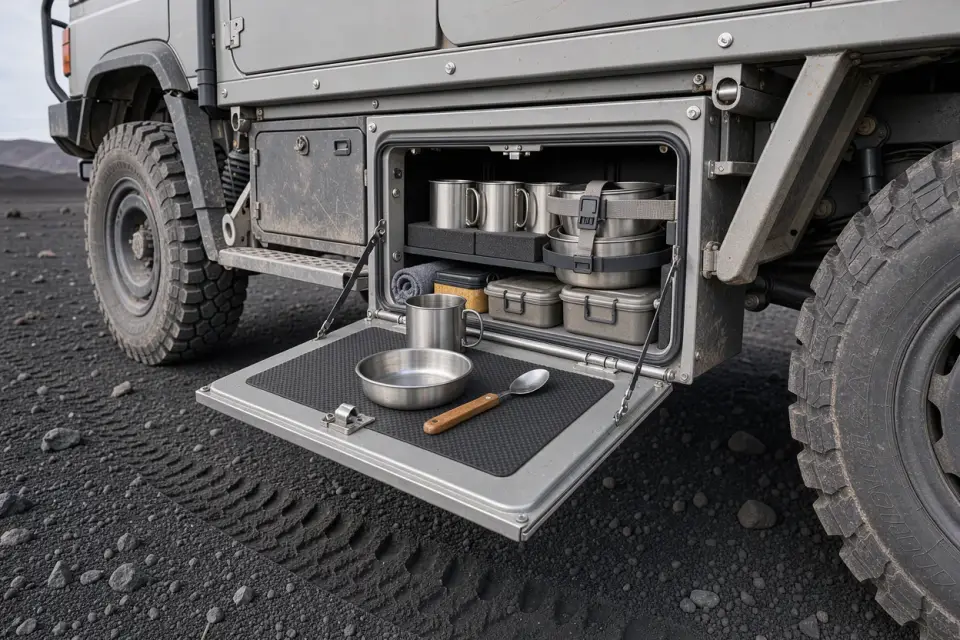
Traditional ceramic mugs, porcelain bowls, and glass containers present obvious shatter risks when subjected to sudden dropouts or off camber trail jolts. If selecting items made from delicate materials, travellers must invest in closed cell foam inserts, felt dividers, or individual neoprene sleeves. Conversely, contemporary homeware ranges that utilise shatter resistant polymers, melamine, or coated steels tolerate trail abuse far better while maintaining an elevated visual appeal compared to standard camp mess tins.
Nesting capability is another critical metric for campervan living. A collection of cups or bowls that stack tightly conserves valuable galley locker volume and inherently limits movement. Cylindrical, flat bottomed vessels with clean vertical profiles tend to secure more neatly into drawer grids or custom bungee retainers than tapered or flared designs. Before purchasing lifestyle pieces for a rig, verify whether their external dimensions fit the specific internal clearances of your vehicle cabinets.
Practical Comparison Framework for Overland Tableware
Selecting tableware for vehicle based adventures requires navigating distinct trade offs across weight, thermal performance, noise, and visual comfort. An objective comparison helps identify which material category matches your overland setup.
Camp Grade Titanium and Stainless Steel: Unmatched durability and negligible weight make metal the default for remote bush travel. However, metal conductively leaches heat into lips or fingers, can impart a metallic taste to hot coffee, and produces substantial acoustic clatter when shaken inside drawers unless heavily muffled with kitchen towels.
Enamel Coated Metalware: Discounts classic outdoor charm and high heat tolerance near campfires. The trade off lies in long term resilience: heavy impacts on rocky tracks can chip the vitreous enamel coating, exposing underlying steel to moisture and road salt corrosion.
Design Led Polymers, Melamine, or Composites: Lightweight, quiet during transit, and available in refined graphic finishes, such as typography oriented tableware collections. These options mimic domestic ceramics without the catastrophic shatter risk. Drawbacks include susceptibility to scratch marks from serrated cutlery and vulnerability to direct high heat from portable gas burners.
Domestic Glazed Ceramic and Stoneware: Delivers maximum tactile satisfaction, superior heat retention, and homelike familiarity. However, this category carries the heaviest payload penalty and demands labour intensive, rattle proof stowage solutions to survive repeated trail washboards.
Essential Questions to Ask Sellers Before Outfitting a Rig
Retail descriptions written for standard homes rarely account for the hostile environment of a moving 4x4 or van. When assessing design accessories from brands like Design Letters, direct inquiries can clarify whether a product can endure life on the road.
Inquire specifically about base material composition and shatter resistance. Ask whether the item is crafted from solid core porcelain, glazed ceramic, bio composite, Tritan, or melamine. Clarifying the material helps you determine whether the accessory requires bespoke soft padding or can be safely stacked bare in a drawer organiser.
Ask about thermal ratings and microwave or dishwasher compatibility. Even if your camper does not feature high voltage appliances, boiling water resistance and suitability for hand washing in basin water with biodegradable camp soaps are vital trail metrics.
Seek exact measurements including handle projections, lid fitment, and base diameters. Off road cup holders, overhead lockers, and internal drawer dividers frequently have strict dimensional limits. Confirming whether lids seal securely prevents accidental spillage across vehicle upholstery when driving through unexpected potholes.
Hypothetical Decision Example: Outfitting a Two Person Touring Rig
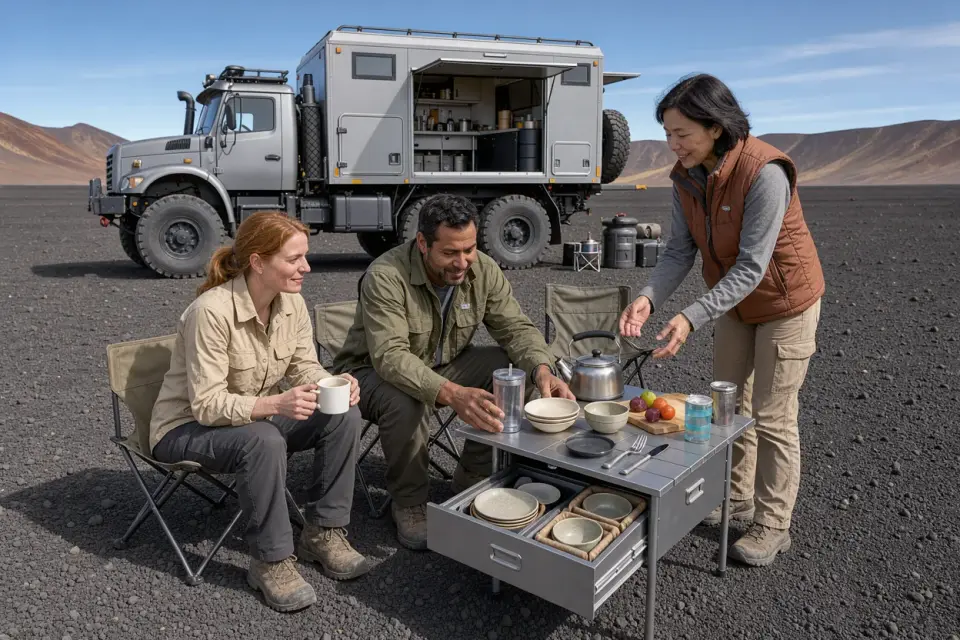
To illustrate how an overlanding couple might evaluate aesthetic homeware, consider a hypothetical setup involving a mid sized overland vehicle undergoing an interior refresh for three season touring.
The travellers currently rely on scratched plastic camp cups and mismatched steel mugs that rattle in an open cubby. In their close living quarters, identical drinkware repeatedly causes confusion over whose mug is whose, leading to unnecessary dishwashing and water consumption while wild camping. They wish to upgrade their daily brew experience with aesthetically pleasing, clean lined tableware.
Option A consists of heavy artisanal stoneware mugs. While deeply satisfying to hold, they add noticeable weight to an overhead cabinet and demand custom foam cut outs to prevent breakage on corrugated mountain trails.
Option B consists of monogrammed typography mugs from a design range like Design Letters, constructed from a lightweight, shatter resistant material. The personalized letters immediately solve the mixed up mug issue at camp, saving potable water. Because the material does not rattle violently against cabinet walls and withstands accidental drops onto turf or floor mats, the couple selects Option B, achieving home comfort without compromising mobile practicality.
Common questions
Can domestic design tableware survive corrugated off road tracks?
Survival depends strictly on base material and storage design. Shatter resistant polymers and heavy gauge composites endure rough tracks well, whereas glazed ceramic or glass will fracture unless secured in tailored foam cut outs or padded sleeves to eliminate contact points.
How do lettered or typography items provide practical value at camp?
In cramped vehicle spaces shared by multiple travellers, identical mugs or personal accessories easily get mixed up. Distinct monograms or letters make ownership immediately obvious, reducing redundant dishwashing and conserving scarce water reserves while off grid.
What is the best way to stop lifestyle tableware rattling while driving?
Line galley drawers with non slip silicone matting, insert felt or neoprene dividers between stacked vessels, and use adjustable tension bars or soft packing cubes to compress items securely within vehicle lockers before setting off.
Are residential homeware materials suitable for compact camper sinks?
Many residential items clean easily, but avoid intricate designs with narrow recesses or delicate exterior prints that might degrade from abrasive camp brushes or cool water washes. Smooth, wide aperture vessels wash quickly and use less water.
Partner discounts in this guide
Overland Finds may earn a commission from qualifying purchases made by customers in France through this link, at no additional cost to you. This does not imply independent product testing or endorsement. Confirm current terms and availability with the partner.

Design Letters · France
Discover Danish design from Design Letters, known for cups, tableware, home accessories and personal items featuring letters and typography.
- Valid in
- France
- Discount
- France offer · Shop Danish design homeware