
AI assisted editorial. Published following automated quality checks, not independent fact verification. Confirm factual, safety and legal matters with appropriate professionals.
The short answer
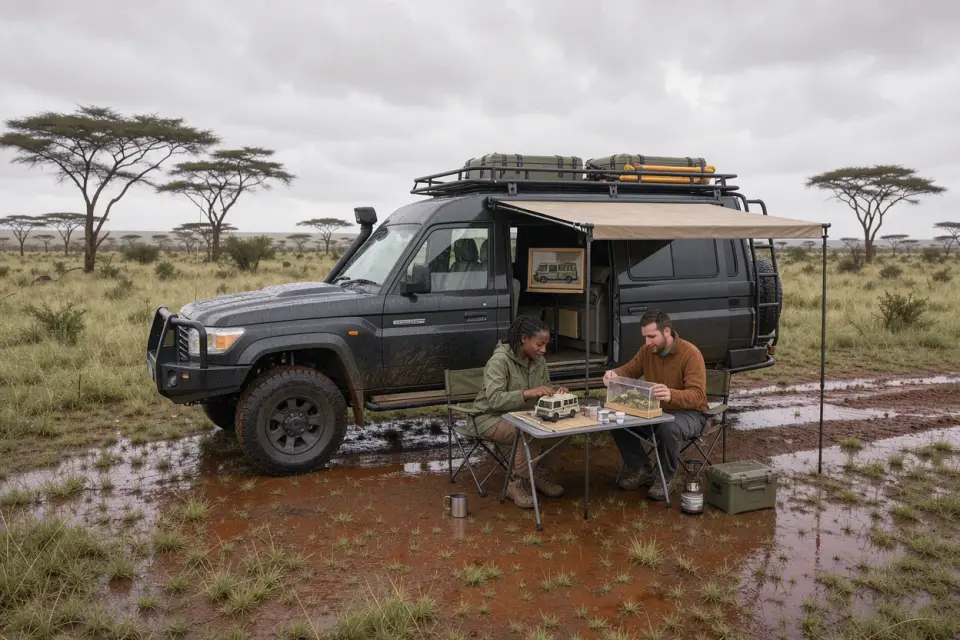
Vehicle based travel involves downtime, foul weather days, and preparation periods between expeditions where hobbies keep minds engaged. This guide explains how overlanders approach creative pastimes like model building and scale displays, examining how products such as wall mounted frames and acrylic cases from partner Brickzonehub fit into travel life and vehicle inspired hobby spaces.
Key takeaways
- Select hobbies that tolerate limited vehicle workspace, transit vibrations, and varying storage temperatures.
- Decide early whether completed builds will live inside an expedition rig or remain safely displayed at your home base.
- Evaluate acrylic cases and display frames based on mounting strength, dust protection, and scratch resistance.
- Confirm structural clearance and bulkhead weight capacities before attempting to mount display frames in a live camper.
Creative Hobbies and the Rhythm of Overlanding
Overland travel is often imagined as continuous movement across remote tracks, yet experienced travellers know that life on the road requires deliberate periods of stillness. Bad weather, mechanical layovers, and rest days in a camper van or roof tent create hours of quiet downtime. Engaging in focused, tactile crafts and hobbies provides a rewarding mental reset from navigation, driving, and camp chores.
For vehicle enthusiasts, scale model assembly such as engineering vehicle replicas or assembling intricate brick sets bridges the gap between workshop mechanics and relaxed camp evenings. However, vehicle based adventure travel imposes strict physical constraints on any hobby. Work surfaces are compact, loose pieces can easily disappear into floor tracks or under seats, and delicate assemblies face relentless vibration once the vehicle gets underway.
Choosing crafts that adapt to journey life means deciding what can realistically be worked on inside a camper, versus what belongs in a home garage or base station where projects are enjoyed between major trips.
Partner Profile: Display Solutions by Brickzonehub
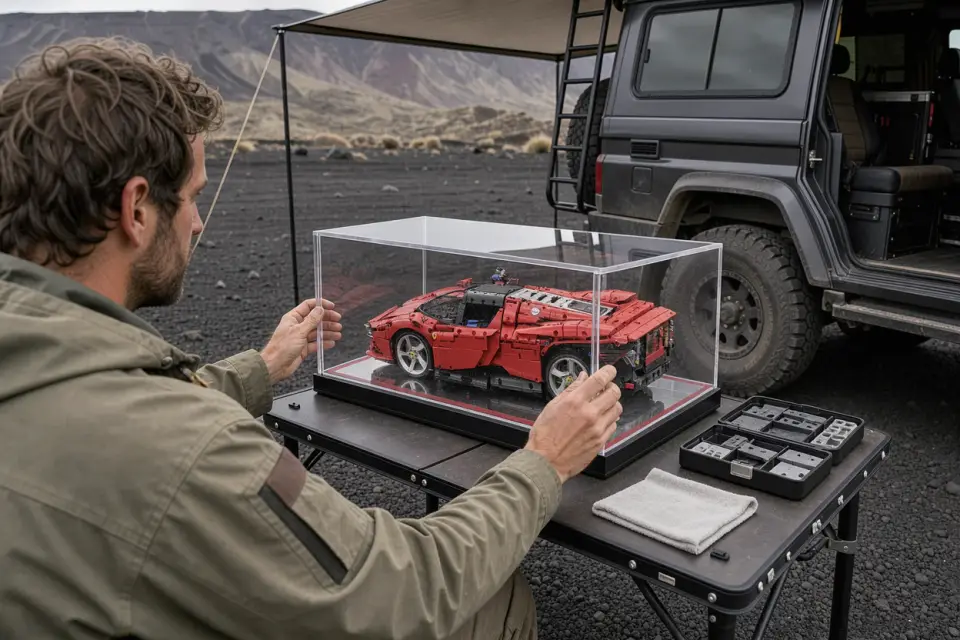
When vehicle inspired builds are finished, protecting and presenting them requires specialised gear. According to partner descriptions, Brickzonehub provides wall mounted display frames and clear acrylic cases designed for LEGO® Technic, Speed Champions, and Icons sets, with delivery available across the UK.
While these display units are primarily developed for standard domestic interiors rather than purpose built overland rigs, they appeal directly to overlanders who build scale 4x4s, rally machines, or classic overland vehicles during their time away from the steering wheel. Having a dedicated enclosure protects delicate components from dust, stray tools, and accidental bumps.
Overlanders considering these display cases must assess whether they are curating a travel themed home workshop or attempting to secure a build inside a living vehicle conversion. Static wall mounting on plasterboard is vastly different from securing items to marine ply or aluminium vehicle bulkheads.
Practical Comparison Framework for Road and Base Camp Hobbies
To decide how a craft or hobby fits your overlanding lifestyle, evaluate options against three core practical criteria: space efficiency, transport durability, and environmental protection.
Space efficiency relates to both assembly footprint and long term storage. Compact crafts that pack flat into modular storage boxes suit small vans and 4x4 drawers. In contrast, rigid display cases demand fixed cubic volume, making them better suited to base station walls or larger expedition truck cabins with dedicated display shelving.
Transport durability considers how materials handle dynamic forces. A finished mechanical brick model left unsecured on a camper shelf will quickly shed parts over corrugated washboard tracks. A robust acrylic case provides containment, but the mounting system itself must withstand continuous shear and tensile forces if installed in a moving vehicle.
Environmental protection is vital in overland environments where fine bull dust, humidity, and rapid temperature shifts are common. High grade acrylic cases keep dust off intricate vehicle models, but owners must ensure that seals prevent condensation build up inside the display when camping in variable climates.
Hypothetical Decision Example: Base Station vs Vehicle Mounting
Consider an overlander returning from a summer crossing of the Pyrenees who spends winter evenings assembling an intricate scale model of an expedition vehicle. They must decide how to display the finished model using a Brickzonehub acrylic frame or case.
Option A: Installing the display case directly onto a camper van bulkhead. The advantage is bringing personal creativity on the road, adding warmth to the living space. The trade off is significant: drilling into vehicle panelling, risking acrylic cracking under chassis twist, and having to remove or brace the model whenever driving rough gravel tracks to avoid internal disintegration.
Option B: Mounting the display frame on the workshop wall at home base. The model remains in a climate controlled, static environment where dust protection is consistent and no structural modifications to the rig are required. In this scenario, Option B represents the practical choice for most travellers, keeping fragile hobby outputs safely anchored where adventures are planned.
Questions to Ask Sellers Before Purchasing Display Gear
Before investing in hobby display frames or clear cases for travel inspired models, ask the seller specific questions about structural suitability:
1. What are the exact fixture requirements for the mounting points, and can the backing plate accept heavy duty mechanical fasteners or marine grade hardware instead of standard domestic screws?
2. Does the acrylic enclosure incorporate dust seals or overlapping joints that resist very fine particulate ingress in dusty environments?
3. How securely does the model anchor to the internal baseplate or mounting bracket to prevent internal movement if subjected to accidental knocks or moderate vibration?
4. What is the total combined weight of the display frame and case, and does it require additional structural backing when fitted to lightweight timber or composite wall linings?
Common questions
Can acrylic display frames be safely mounted inside a camper van or expedition truck?
They can be installed if secured to structural timber framing or threaded inserts rather than thin panelling. However, continuous road vibration, chassis flex, and extreme cabin temperature fluctuations can stress acrylic joints and loosen delicate internal components, so static home mounting is generally safer.
What types of crafts and hobbies work best during vehicle based adventure travel?
Hobbies with minimal loose parts, zero drying time, and compact storage work best. Popular road pastimes include sketching, leatherwork, knot craft, analogue photography, and small scale mechanical builds kept in divided containers that can be packed securely into storage drawers.
How do you protect delicate scale models from dust and vibration in camp?
Keep work in progress kits inside gasketed storage boxes while travelling. For finished models, sealed acrylic cases protect against atmospheric dust, but models should be padded or packed in foam if transported over rough or corrugated terrain.
Partner discounts in this guide
Overland Finds may earn a commission from qualifying purchases made by customers in the UK through this link, at no additional cost to you. This does not imply independent product testing or endorsement. Confirm current terms and availability with the partner.

Brickzonehub · UK
Wall mounted display frames and clear acrylic cases for LEGO® Technic, Speed Champions and Icons sets, with UK delivery from Brickzonehub.
- Valid in
- UK
- Discount
- UK offer · Shop LEGO® display frames